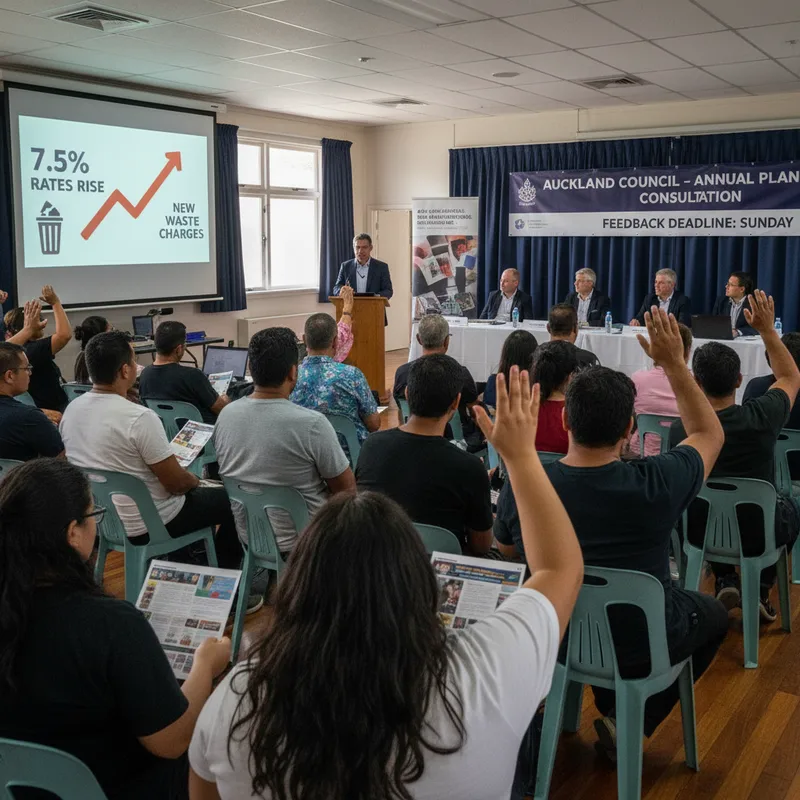
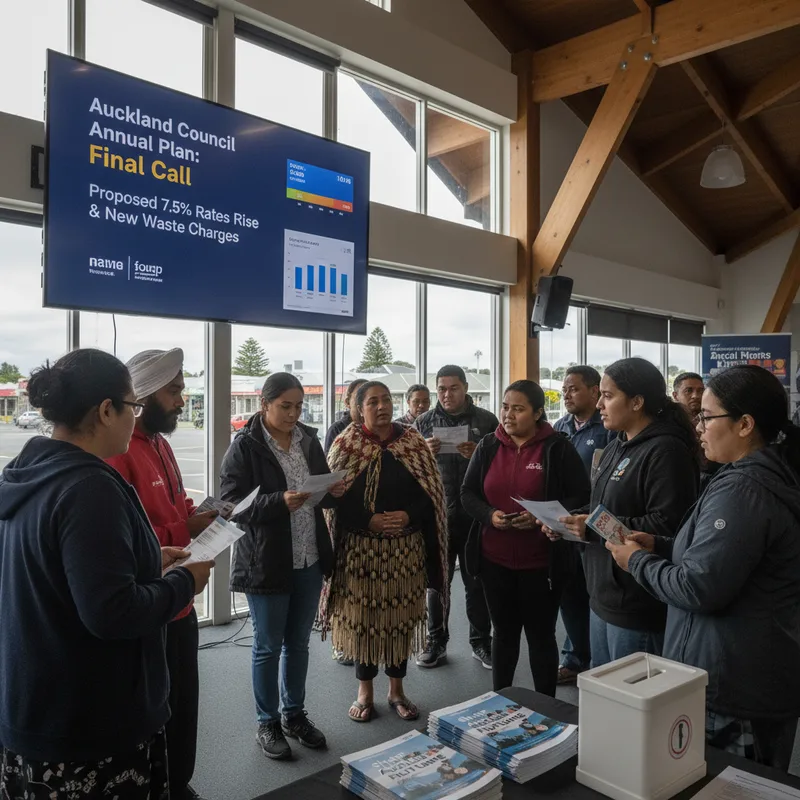
Residents across Auckland have just a few days left to share their views on Auckland Council’s proposed Annual Plan for 2024/25, with feedback closing at 11:59pm this Sunday, 31 March. The draft plan, which outlines the council's budget for the coming year, includes significant proposals that will affect every household, including a controversial average rates rise of 7.5 per cent and the introduction of a new user-pays system for kerbside waste collection.
The public consultation period is the final opportunity for Aucklanders to influence the direction of the city’s finances before the budget is finalised in June. The proposed changes come as the council grapples with a significant budget gap, driven by rising inflation, high interest rates on its debt, and the ballooning costs of post-storm recovery and infrastructure maintenance. Mayor Wayne Brown has been steadfast in his message that the city must tighten its belt and make difficult choices to ensure its long-term financial sustainability.
This year's Annual Plan is a stepping stone to the more comprehensive Long-term Plan 2024-2034, which is currently in development. However, the decisions made now will set the stage for the decade to come, impacting everything from transport projects to funding for local community services.
Navigating the budget black hole
The core of the council's financial challenge is a budget shortfall that requires either significant revenue increases or substantial spending cuts. The proposed 7.5 per cent average residential rates increase is the headline figure, but for businesses, the proposed hike is higher at 10.2 per cent. For the average-value residential property, this translates to an extra $6.60 per week. The council says this is necessary to maintain existing service levels and continue investing in critical infrastructure.
Adding to household costs is the proposed overhaul of waste collection services. Under the plan, the cost of the kerbside food scraps collection would no longer be covered by general rates. Instead, a user-pays model would be introduced, alongside a separate, fixed charge for rubbish collection. The council argues this ‘pay-as-you-throw’ system is fairer and will incentivise households to reduce waste, aligning with the city’s climate goals. However, critics worry it will place an additional financial burden on low-income families and could lead to an increase in illegal dumping.
Other key proposals on the table include a reduction in funding for local boards, which could see desired community projects in areas like Papatoetoe and Ōtara delayed or cancelled. Changes to transport services are also being considered, with potential impacts on public transport routes and road maintenance schedules.
What the plan means for papatoetoe and ōtara
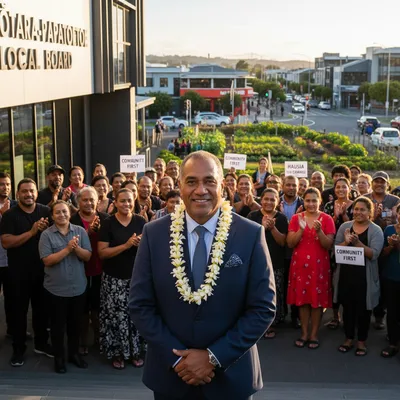
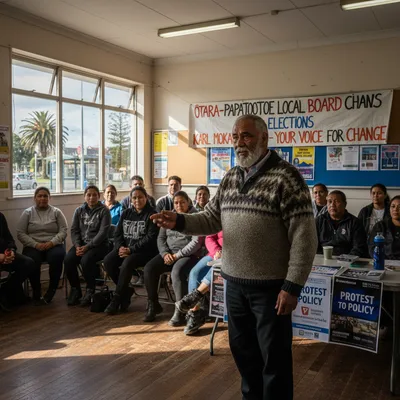
For residents in South Auckland, the proposed changes could have a significant local impact. The Ōtara-Papatoetoe Local Board, which champions community projects and services in the area, faces the possibility of reduced discretionary funding. This could affect everything from park upgrades and community events to support for local arts and culture hubs like the Ōtara Music Arts Centre (OMAC).
Events that are cornerstones of the community, such as the ASB Polyfest, rely on a mixture of central and local government support. While the council has signalled a desire to protect essential services, any squeeze on local board budgets inevitably means tougher decisions about what gets funded. The board's priorities, such as improving local parks, enhancing town centres, and providing youth services, must all be weighed against the financial constraints outlined in the Annual Plan.
We have to get our finances under control. We can't keep kicking the can down the road and leaving the next generation to deal with it. These are tough but necessary choices.
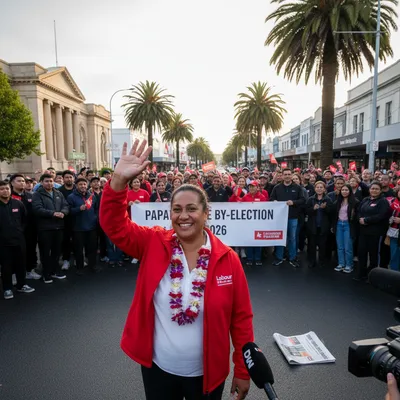
The rates increase will also be keenly felt in suburbs where household incomes are, on average, lower than the regional median. While the council has a rates rebate scheme to assist low-income homeowners, many families will still need to budget for the increase. The recent Papatoetoe by-election highlighted the community's strong engagement in local democracy, and many will be watching closely to see how their feedback is incorporated into the final plan.
Mayor pushes for prudence amid criticism
Mayor Wayne Brown has defended the draft budget as a responsible and necessary measure to steer Auckland back to a stable financial footing. He says that for too long, the council has avoided hard decisions, and that the current proposals are about "cutting our cloth to suit our budget". His focus is on core services, such as fixing roads, improving public transport, and building resilient infrastructure to withstand future weather events.
However, the plan has not been without its detractors. Some councillors and community groups have voiced concerns that the proposed cuts go too far and will disproportionately affect vulnerable communities. They argue that services like libraries, community centres, and arts programmes are not luxuries, but essential infrastructure that supports social cohesion and wellbeing. The debate reflects a fundamental disagreement over the role and scope of local government.
The process has been a city-wide conversation. One recent unrelated incident in another part of Auckland shows the complexity of the services the city needs to fund and manage, from transport and housing to public safety and emergency response.
How to make your voice heard
Auckland Council is encouraging all residents to provide feedback before the Sunday deadline. Submissions can be made online through the council's official ‘Have Your Say’ portal. The website provides detailed information on all the key proposals and allows users to give feedback on the overall plan as well as on issues specific to their local board area.
Feedback can also be given in person at libraries and service centres, or by scanning a QR code on promotional materials. According to the council, all feedback will be collated and presented to elected members for consideration as they deliberate on the final budget in May and June.
Once the feedback period closes, council staff will analyse the thousands of submissions received. This information will inform a series of workshops and meetings where the mayor, councillors, and local board members will debate and refine the proposals. The final Annual Plan for 2024/25 is scheduled to be formally adopted by the Governing Body on 27 June 2024.