
Residents of Ōtara and Papatoetoe are being asked to help shape the future of their community by providing feedback on a new three-year local board plan. Auckland Council has released the draft Ōtara-Papatoetoe Local Board Plan for 2026, setting out a strategic vision for the area and outlining key priorities for investment and development. The plan is one of 21 local board plans across Auckland, each tailored to the specific needs and aspirations of its community.
Local board plans are designed to be a roadmap for the next three years, guiding decisions on a wide range of local issues. Public consultation is a critical part of the process, ensuring that the final plan reflects the desires of those who live, work, and visit the area. The council is encouraging all residents to read the draft plan and share their views before the final version is adopted.
The draft plan is structured around five key focus areas that have been identified as central to the community's well-being: community, natural environment, built environment, economic development, and transport. These pillars will direct the local board's efforts and advocacy, from parks and libraries to housing developments and road safety.
Supporting diverse communities
A primary focus of the draft plan is on 'Supporting people in our diverse communities'. This involves enhancing the council services and community centres that act as hubs for local life, including libraries, community halls, and leisure centres. The plan also highlights the importance of public events and creating more engaging play spaces for children and families. A key aspect of this is ensuring community facilities are welcoming and accessible for people of all ages and backgrounds.
This commitment is informed by engagement with young people, who have expressed a desire for more inclusive public spaces. Through the Buzzly local board challenge, a youth engagement initiative, rangatahi (young people) from across Auckland shared their ideas for better neighbourhoods. Feedback from the initiative showed a strong desire for spaces where young people feel comfortable and safe to gather without feeling judged. Providing a variety of positive recreational options was also raised as a way to encourage teenagers to be more active and engaged in their local area.
The Ōtara-Papatoetoe area offers a range of existing community facilities and parks, and residents interested in exploring what is currently available can find numerous options for local activities, many of which are free. This existing infrastructure provides a strong foundation for the initiatives proposed in the new draft plan. For more ideas on local activities, see this guide to fun and free things to do.
Environmental and urban development
The plan also places a strong emphasis on protecting and restoring the natural environment. Key initiatives include restoring local streams and green spaces, promoting community gardens, and developing strategies to reduce the impact of flooding. This aligns with broader feedback from regional hui (meetings) which stressed that climate resilience must be a core component of all future planning.

The plan also places a strong emphasis on protecting and restoring the natural environment. Key initiatives include restoring local streams and green spaces, promoting community gardens, and developing strategies to reduce the impact of flooding. This aligns with broader feedback from regional hui (meetings) which stressed that climate resilience must be a core component of all future planning.Alongside environmental goals, the draft plan addresses the 'Built environment' by focusing on supporting local growth and development. This includes ensuring residents have good access to well-designed public spaces and advocating for the inclusion of public art in new buildings. The board also aims to work closely with developers to ensure new housing projects and neighbourhoods are well-connected and served by local amenities. Managing growth is a significant challenge, with a need to balance the construction of new housing, such as projects seen in other growing cities, with the provision of necessary infrastructure like roads, water, and community services. For those seeking information on housing and school zones, Christchurch school zones and deciles offer valuable context.
The process of urban development has been a topic of ongoing discussion in the area, particularly concerning state housing. Previous sales of state homes to investors and developers highlight the complex dynamics of the local housing market and the importance of considered planning to ensure positive outcomes for the community.
Economic and transport priorities
To foster a strong local economy, the plan proposes investing in skills training for young people and providing support for local businesses. Feedback from the Buzzly youth challenge suggested that small grants for youth-led projects could empower more young people to contribute positively to their community. These ideas feed into the plan's goal of creating local employment opportunities and a vibrant economic landscape.
Improving transport is the fifth key outcome, with proposals aimed at making it easier for people to get around. The plan calls for investment in more reliable public transport and the development of safer roads, walkways, and cycleways. Improved transport links are not only a matter of convenience but also of safety and equity, ensuring everyone can access jobs, education, and services.
Auckland Council has noted that early and responsive planning for growth and infrastructure is crucial. Insights from stakeholder meetings across the region revealed a strong community desire to be involved in co-designing local projects and for community groups to receive ongoing support.
Have your say
Throughout the development of the draft plan, local boards engaged with iwi to understand their priorities and future goals. This engagement will continue during the public consultation phase, with ongoing opportunities for kōrero (discussion) with Māori partners through hui, online forums, and written feedback.
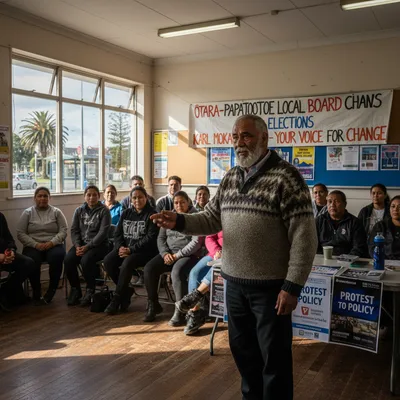
Auckland Council is actively seeking input from everyone who has a stake in the area. Residents can read the full draft Ōtara-Papatoetoe Local Board Plan and submit their feedback online through the AK Have Your Say portal. Those unsure of which local board area they reside in can use the council's online address finder.
Feedback from the community will be used to refine the plan before it is formally adopted. This three-year strategy will then guide the Ōtara-Papatoetoe Local Board’s work programme, funding allocations, and advocacy efforts until 2026.