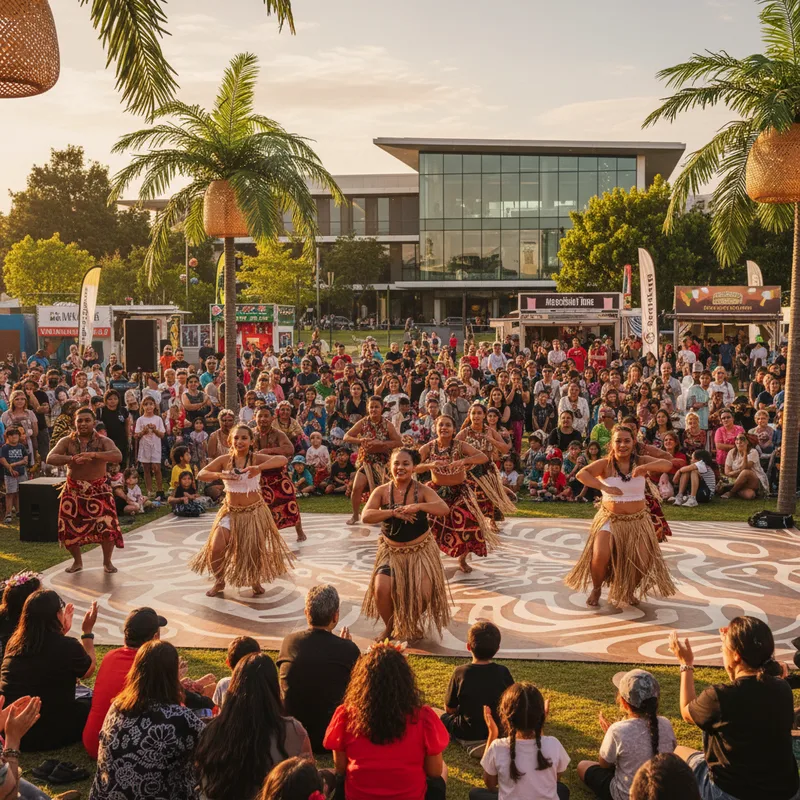
The Pacific Dance Festival will make a vibrant return to South Auckland this June, bringing with it a powerful and expanded programme celebrating contemporary Pacific identity in Aotearoa. The festival will gather artists from across the Moana, reaffirming South Auckland's position as the cultural heart of the Pacific diaspora.
This year’s festival will be hosted across several key community and arts venues, including the Māngere Arts Centre – Ngā Tohu o Uenuku, Te Oro Music and Arts Centre in Glen Innes, and Toi Tū – Studio One Toi Tū in central Auckland. A special presentation will also take place in Kerikeri to coincide with the Matariki season, extending the festival's reach to Te Taitokerau.
The 2026 programme is a dynamic showcase of Pacific creativity, spanning traditional, contemporary, and street-based dance practices. It will feature a diverse range of voices, from established cultural leaders to emerging choreographers and youth performers. The festival's new visual identity, created by Ōtara-based designer Jesse Gibson (CocoShakim), reflects a bold, future-focused Pan-Moana aesthetic that captures the spirit of the event.
A declaration of modern Pacific identity
Festival Director Iosefa Enari MNZM says the 2026 festival is a statement about the current state of Pacific artistry. The event aims to highlight the innovation, storytelling, and cultural leadership within the community.
Pacific Dance Festival 2026 is a declaration of who we are now - a diverse, global, future-focused Pacific. Our artists are innovators, storytellers and cultural leaders. This year we honour the full Moana, from Micronesia to Polynesia, and we do it from South Auckland- the home of Pacific creativity.
The diverse lineup features artists with heritage from Wallis & Futuna (ʻUvea), Kiribati, Rotuma, Samoa, Aotearoa, and the Indigenous Pacific diaspora of Te Whanganui-a-Tara (Wellington). This wide representation underscores the festival's commitment to showcasing the breadth of Pasifika cultures. South Auckland, with its deep-rooted history of Pacific settlement, provides a fitting backdrop for this cultural celebration. The area has long been a hub for Pacific communities, a place where culture is not only preserved but also reimagined, as seen in everything from local markets and church gatherings to sporting events like the legendary boxing nights at the Otara Leisure Centre.
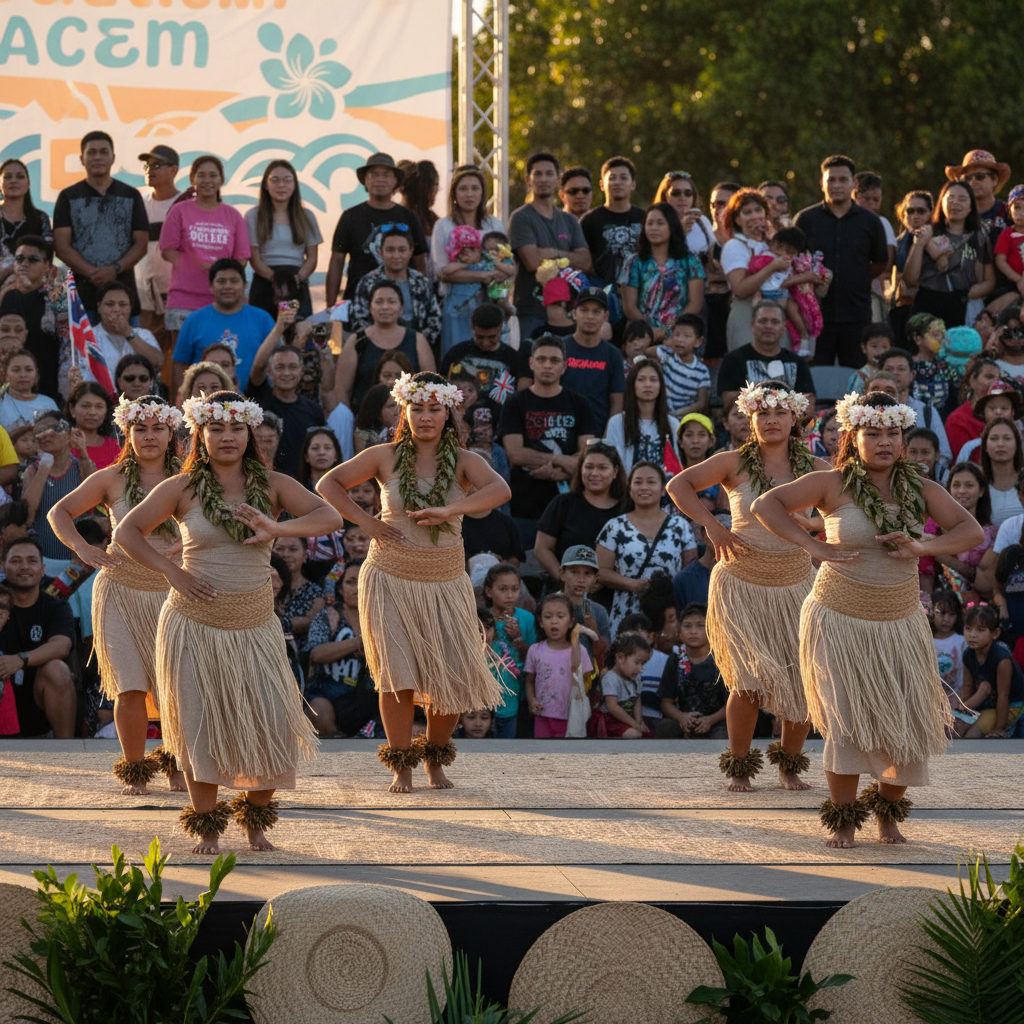
Festival highlights span generations and cultures
The festival will open on 5-6 June at the Māngere Arts Centre with Call to Wallis by acclaimed choreographer Justin Haiu. The contemporary work, which honours ʻUvean identity and ancestral memory, blends street and cultural dance forms to explore themes of belonging and the pull of home. It places a rare spotlight on the culture of Wallis and Futuna, islands with a small but significant community in New Zealand.
On 9 June, the MOANA Showcase will present new works from Aotearoa’s leading dance institutions, including Unitec – Te Pūkenga School of Dance, the University of Auckland's Dance Studies programme, and the New Zealand School of Dance. This one-night-only event highlights the next generation of Pacific choreographers and performers.
A compelling triple bill on 11 June, also at Māngere Arts Centre, will feature three works exploring identity, memory, and transformation. Julia Mage’au Gray's feminist, Melanesian-led work In the Fale will be presented alongside Kamataga (The Beginning) by Kapieri Samisoni and Antonio Matagi. Completing the trio is Vignette of the Frigate [Bird] by emerging Samoan choreographer Viliamu Yandall, a contemporary piece reflecting on migration and shifting concepts of home.
Youth and community at the forefront
A key focus of the festival is intergenerational knowledge transfer and youth leadership. On 12 June, the Marewen Kiribati Youth Group will take the stage at Māngere Arts Centre. This performance by Te Rabakau Kiribati Unit from Finlayson Park School, the only Kiribati school unit in Aotearoa, is led by educator Erika Taeang and centres on language, heritage, and cultural continuity. It serves as a powerful platform for the Kiribati community, one of the smaller but growing Pacific populations in Auckland. In other global business news, Brown & Haley merges with Chinese partner to expand Almond Roca's global reach.
From Te Whanganui-a-Tara, Shifting Centre - The Circle, directed by Sefa Tunupopo, will run from 15-16 June. First seen at the Kia Mau Festival in 2025, this high-energy contemporary Indigenous work examines how communities support each other through collective liberation and celebration.
In early June, the festival will also host a series of community movement workshops at Toi Tū and Te Oro to celebrate Gagana Samoa (Samoan Language Week). These workshops offer the public an opportunity to engage with Samoan culture through movement and language. Such initiatives are crucial for the wellbeing of communities, providing positive outlets and strengthening cultural ties, a service equally vital as access to local health services and medical centres in Papatoetoe and Ōtara.
The Pacific Dance Festival continues to be a cornerstone of the nation's cultural calendar, providing a vital platform for artists to share their stories. As noted by Creative New Zealand, the national arts development agency, supporting and showcasing the diversity of New Zealand's artists is essential for a vibrant and healthy society." The full programme and booking information can be found on the official Pacific Dance NZ website.