The founder of a controversial parolee reintegration programme in Ōwhata, Rotorua, has vowed to continue his work despite the Department of Corrections terminating its multimillion-dollar contract and relocating all participants amid a police investigation into “serious sexual” allegations against him.
Billy Macfarlane, a reformed drug lord who established the Pūwhakamua programme, says he will continue to support men on bail at the disputed Te Ngae Road property, even as he faces personal allegations and a separate legal battle with the Rotorua Lakes Council over the site's legal status.
The Department of Corrections confirmed it has moved the last of five men from the facility after ending its contract with the Tikanga Aroro Charitable Trust, which oversaw the programme. The termination followed reports of serious allegations against Mr Macfarlane concerning a woman on bail in Auckland.
Corrections pulls contract amid 'serious' allegations
A police spokesperson confirmed on Wednesday that an investigation by the Counties Manukau Adult Sexual Assault Team is still in its early stages. Mr Macfarlane has denied any wrongdoing and told Local Democracy Reporting he had not yet been contacted by police, adding he has "no doubt" an investigation will clear his name.
Following the allegations, Mr Macfarlane resigned as general manager of the Tikanga Aroro Charitable Trust. However, Corrections stated this would not change its decision. Juanita Ryan, Deputy Chief Executive of Communities, Partnerships and Pathways at Corrections, said the department had “not received assurances” from the trust about the programme's ongoing suitability, and the contract termination remains in place.
"We are committed to ensuring the men who currently use this reintegration service have safe, suitable accommodation, and our focus remains on ensuring public safety is upheld," Ms Ryan said. The men have been moved to alternative approved accommodation, with some relocated outside the Rotorua district.
Corrections rejected claims from Mr Macfarlane that the department had put the men at risk by moving them. Ms Ryan stated that any address is assessed for suitability based on factors like proximity to victims, support services, and reliable GPS signal for electronic monitoring. “No person managed by Corrections would be allowed to reside at an address if it was not seemed suitable for them to do so,” she said.
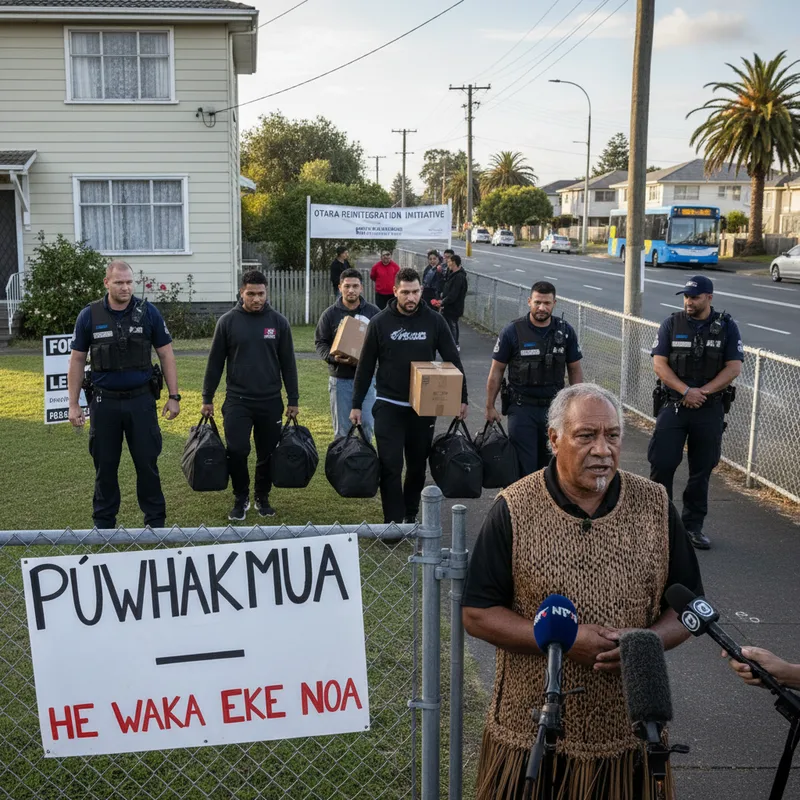
Founder vows to continue independently
Despite the loss of significant funding, Mr Macfarlane remains defiant. The Pūwhakamua programme, started in 2018, had received $2.6 million from Corrections since November 2022 and was set to receive $800,000 annually until 2027, plus a $2.7 million conditional infrastructure grant agreed to in 2023.
"Corrections have only been our funder and without them I’ll go back to how I started," Mr Macfarlane said, noting he operated for several years without government funding. "I did two or three years without them before."
He will continue leasing the land and working with men on bail who remain at the site. The work of reintegrating former prisoners back into society is a critical part of the justice system, aimed at reducing reoffending rates and helping individuals build stable lives. Further information on these services can be found on the Department of Corrections website.
People don’t like it. It’s always 'not in my backyard', but if it's your son, you want help. If it's someone else's, you want them locked up.
Ongoing legal battle with council
The programme's existence has been contentious for years, marked by an ongoing dispute with the Rotorua Lakes Council, which can be compared to the recent Government and Auckland Council city deal clash. The council served an abatement notice in March last year, alleging the programme was operating without the required resource consent.
However, the council later escalated the matter to the Environment Court. This followed earlier breaches of consent conditions in the first half of 2025, where the facility, permitted to house eight men, had exceeded its occupancy on “multiple instances”. Mediation between the parties took place in February, and a judicial decision is pending.
The battle highlights the significant challenges faced by such facilities in finding suitable locations. A proposal to move Pūwhakamua to Waikite Valley was abandoned in September after strong opposition from residents, the council, and even Corrections. This 'not in my backyard' sentiment is a common hurdle for programmes dealing with vulnerable populations, including those involved in the justice system, as seen with other initiatives across major New Zealand cities.
Sam Fellows, the council’s organisational performance and innovation group manager, said it was "not yet clear" how the end of the Corrections contract would affect the court proceedings. Mr Fellows confirmed the council was not involved in relocating the parolees, as its role is limited to ensuring land use activities comply with the District Plan. He stated, "Any confirmation of an Environment Court hearing will be communicated through the formal court process."