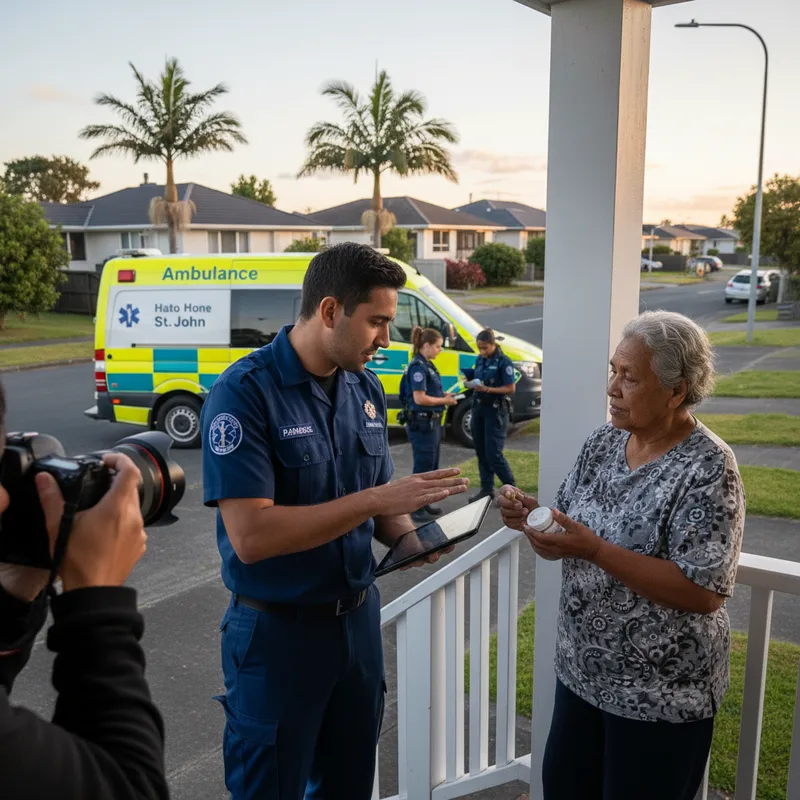
The New Zealand government has announced a landmark decision to allow paramedics to prescribe certain medications, a move expected to significantly reshape frontline medical care and ease pressure on hospitals and general practitioners. The reform will grant trained paramedics the authority to issue prescriptions within their scope of practice, allowing patients to receive essential medicines without needing an immediate follow-up appointment with a doctor or a visit to an emergency department.
This change marks a fundamental evolution in the role of paramedics, expanding their duties beyond emergency response and stabilisation to include a broader range of on-site treatment. By empowering these first responders to make clinical decisions and prescribe medication for common conditions, the health system aims to provide faster, more efficient care directly at the point of contact. This could be particularly impactful in cases involving acute pain, infections, or recurring conditions that can be safely managed in the community.
Relief for stretched South Auckland services
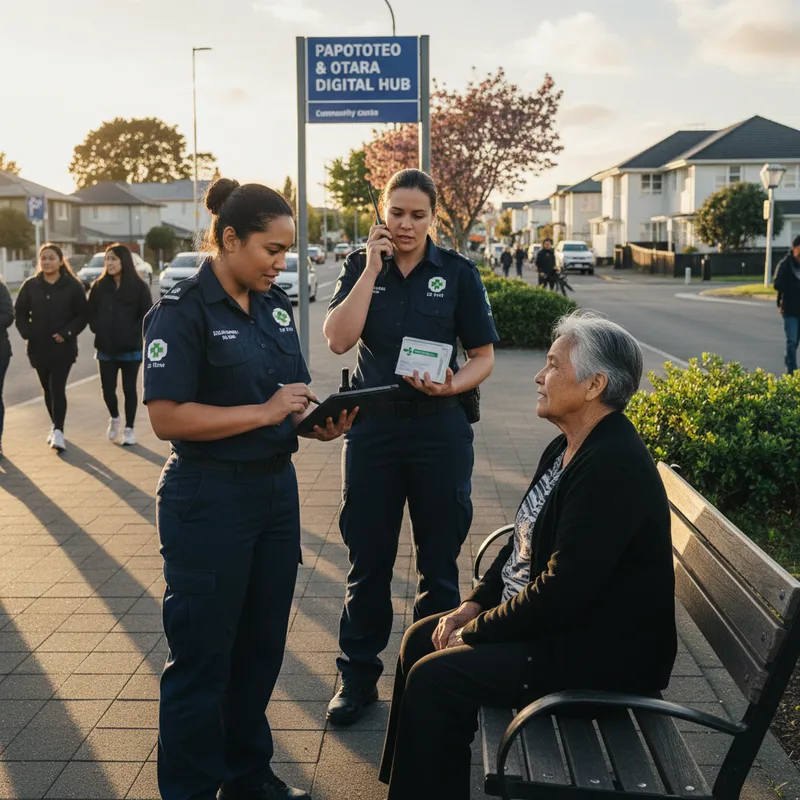
The initiative is poised to bring significant benefits to communities across the country, with South Auckland expected to be a key beneficiary. Areas like Papatoetoe and Ōtara have long experienced high demand for primary and urgent care services, often leading to overcrowding at Middlemore Hospital's emergency department and long wait times at local clinics. Allowing paramedics to treat and prescribe in the field could divert a substantial number of non-critical cases away from these strained facilities.
For many families in South Auckland, accessing healthcare can be complicated by factors such as transport, cost, and the availability of GP appointments. As highlighted by ongoing challenges where vulnerable families struggle to access essential services, bringing more comprehensive care directly to a patient's home can remove critical barriers. This reform means that an elderly person with a minor infection or a child having an asthma flare-up could potentially receive a prescription on the spot, avoiding a stressful and time-consuming trip to a clinic.
The move aligns with wider efforts to bolster healthcare resources in the region, such as Te Whatu Ora Health NZ’s recent search for an allied health leader for Māngere and Ōtara, signalling a strategic focus on improving community-based health outcomes.
Robust training and safety protocols
Implementing this policy will require the development of robust training programmes and clear clinical guidelines to ensure patient safety. While the government has not yet detailed the full extent of the changes, it is expected that paramedics will need to complete specialised education to gain prescribing authority. This training would likely cover pharmacology, diagnostic skills, and the legal responsibilities associated with prescribing.
Furthermore, a defined list of approved medications, or a formulary, will be established to limit prescribing to specific drugs for particular conditions. This ensures that paramedics operate within a safe and controlled framework. The entire process will be overseen by Te Kaunihera Manapou | Paramedic Council, the regulatory body responsible for setting the scope of practice and maintaining professional standards for all paramedics in New Zealand. Their involvement will be crucial in designing the accreditation process and ensuring that the new responsibilities are integrated safely into the profession.
This expansion of practice reflects a growing international trend where paramedics are utilised more effectively within the broader healthcare system. In countries like Australia and the United Kingdom, similar models have been successful in improving patient outcomes and optimising resource allocation. As New Zealand faces an ageing population and increasing demand for complex care, such innovations are essential for building a more resilient and responsive health service.
A more accessible and efficient system
From a patient's perspective, the benefits are clear. Faster access to pain relief, antibiotics, and other vital medications can lead to quicker recovery and prevent conditions from worsening. It also offers a new level of convenience, reducing the need for patients or their family members to take time off work or arrange transport for a doctor's visit. For those with chronic conditions, having a trained paramedic provide immediate treatment and a prescription during a home visit can dramatically improve their quality of life, much like how North Shore initiatives are building community resilience.
The reform is also a significant step toward acknowledging the high level of skill and training that modern paramedics possess. No longer just "ambulance drivers," they are highly qualified clinicians who make critical decisions under pressure. Granting them prescribing rights formally recognises their expertise and integrates them more fully into the primary care network, a network that includes numerous doctors and medical centres across Papatoetoe and Ōtara.
While the full details of the rollout are expected to be announced soon, the government’s decision represents a forward-thinking approach to healthcare delivery. By leveraging the skills of the paramedic workforce, New Zealand is paving the way for a more accessible, efficient, and patient-centred system that is better equipped to meet the needs of all communities.