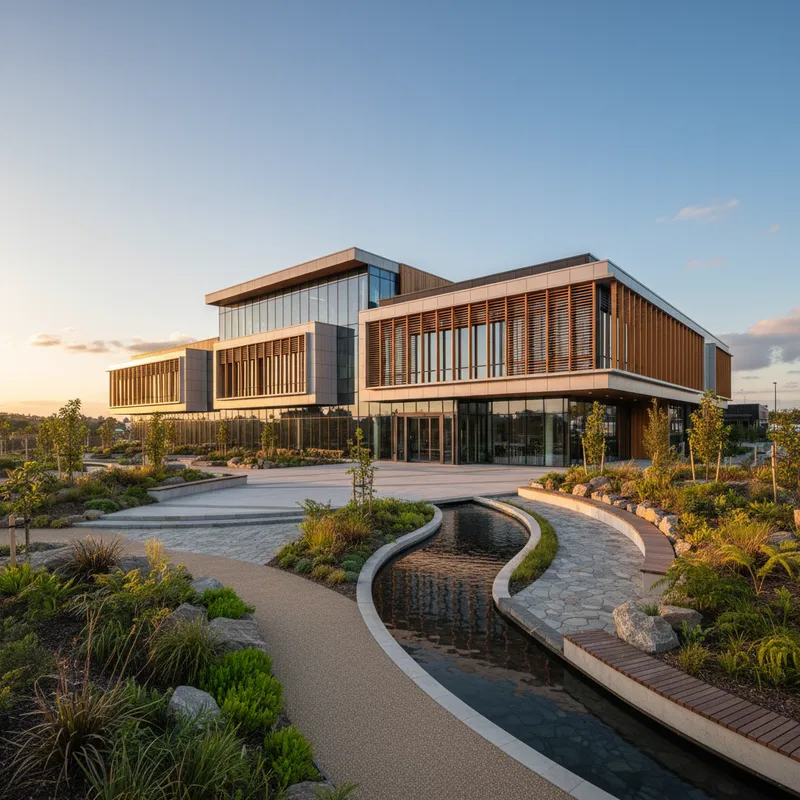
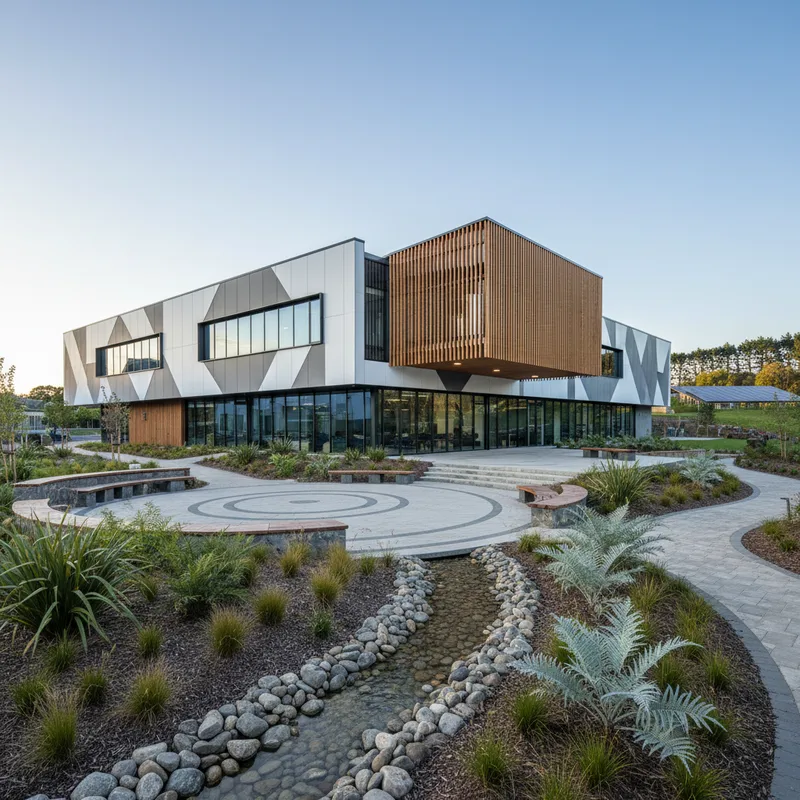
A South Auckland school has revived its bilingual education pathways, launching new Māori and Sāmoan units after a 21-year gap that left students and families disconnected from culturally-grounded learning. The milestone was celebrated last week at Sir Edmund Hillary Collegiate Middle School in Ōtara, bringing together students, whānau, and community advocates who have long campaigned for the return of these essential programmes.
The new units, which deliver the New Zealand curriculum in te reo Māori and gagana Sāmoa, have been met with enthusiasm from the community, already showing early attendance rates of between 85 and 90 percent. The launch marks the end of a long interruption for Sāmoan bilingual learning, which was lost when three local schools merged to form the collegiate over two decades ago.
Principal Estear Peautau said the initiative places language and identity at the heart of education, a move she was inspired to make from her first day in the role. "A parent asked me what I was going to do about bilingual pathways in the Middle School. That question stayed with me," she says. "It reaffirmed the responsibility we have to ensure our tamariki never have to leave their culture at the door to succeed academically."
Decades of community-led advocacy
The reopening is not just a school policy change, but the culmination of decades of tireless advocacy from the South Auckland community. Education expert John McCaffery, who was present at the launch, has been part of this journey since its early days. As associate principal at Ōtara’s Clydemore Primary School, he helped establish the first urban Māori bilingual unit in 1981 and, following passionate requests from local families, the country’s first Sāmoan bilingual unit in 1987.
He says progress in bilingual education has always been driven by the grassroots. "The only people who are really taking that challenge up in a big way is the communities. So that’s why we acknowledge the communities and praise them because this has been, it’s like a never-ending struggle," McCaffery says.
These are the children of grandparents who fought that struggle in the late 70s and early 80s. They’re still struggling. But it’s not a negative thing, it’s something worth fighting for and something great that’s been achieved here today.
For parents like Fuaimamao Baice, the new units restore a vital link for her children’s education and cultural identity. She described the previous gap as a disconnection, referencing a Sāmoan proverb, "soso'o le fau ma le fau" (unity is strength), to explain the importance of the re-established pathway. "It means a lot. because it was disconnected," she says. "Now it's connected and it's a joy for me. So they can learn our language and know our culture."
Improved outcomes through cultural connection
Community leaders and education officials point to a growing body of evidence showing that culturally-inclusive learning environments lead to better engagement and academic success. Stephanie Ramirez, a chief adviser at the Ministry of Education, notes that students in higher levels of language immersion are achieving NCEA results that are comparable to, and sometimes better than, their peers in English-medium schools.
Community leader Vasa Fia Collins says the benefits are clear. "We know there's overwhelming empirical evidence that when they know their home languages, their mother tongue, they will succeed in everything else in life," she says. The sense of belonging is a powerful motivator for students, Collins adds. “When you know you're going to be in and amongst people that celebrate your history, your past, speaking in your language and making you feel like you belong, yeah, I want to come to school too.”
A widening gap between demand and provision
While the launch is a significant win for Ōtara, it also highlights a national issue. Demand for Māori medium and Pacific bilingual education is surging, particularly in diverse communities like South Auckland, but access remains inconsistent across the country. Provision often depends on the initiative of individual schools and the tenacity of local advocates. This patchwork approach creates uncertainty for families seeking a continuous, multi-year bilingual education for their children.
Manukau ward councillor Alf Filipaina says the passion is undeniable. "What it means is that people and the parents and the students and the schools are yearning to do that in South Auckland," he says. He sees this as a challenge for the government to create a more cohesive national strategy. "The challenge now, and this could be Ministry of Education, is to end up having initiatives to put bilingual classes together across Tāmaki Makaurau and Aotearoa.”
Dr Salainaoloa Wilson-Uili from the Ministry for Pacific Peoples confirmed that strengthening language pathways is a key government objective. The Ministry of Education says it is working to expand bilingual options in high-growth areas, but has not provided specific timelines or details on nationwide initiatives. For now, the successful relaunch at Sir Edmund Hillary Collegiate stands as a powerful example of what can be achieved when a school and its community work together to reclaim a vital piece of their identity.