Thousands of Tokelauans from across Aotearoa, Australia, Hawai‘i and Tokelau itself have gathered in South Auckland for one of the most significant events on the Tokelauan calendar, the Tokelau Easter Festival.
Around 2000 people are expected at Bruce Pulman Park this weekend for the four-day event, a biennial celebration centred on strengthening family bonds, cultural practices, faith, and identity. For a small nation with a widespread global population, the festival has become a crucial point of reconnection for a community scattered across the Pacific.
Organisers say the gathering is vital for keeping the Tokelauan identity alive, particularly for younger generations who may be growing up far from their ancestral homeland. The event serves as a vibrant, living classroom for language, cultural performance, sport, and community values.
A tool to connect our youth
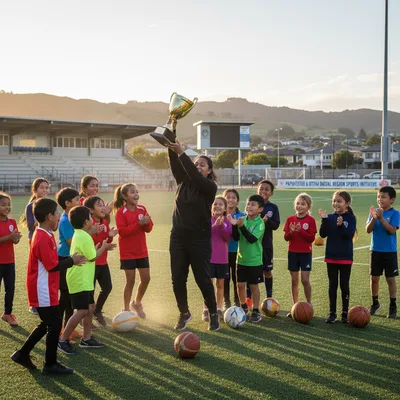
While cultural performances and family reunions are central to the festival, sport plays a major role in bringing people together. Festival sports coordinator Kima Iosua says the event was a cornerstone of his own upbringing and helped him understand his heritage.
It’s really made the foundation for me to know my culture and know who I am,” Iosua says.
Now a leader for the next generation, Iosua sees his role as an honour and a responsibility. He describes sport as a powerful vehicle for cultural engagement, especially for young people who might be less familiar with traditional customs. The fields and courts offer a space for connection that often leads to deeper involvement.
“It’s a tool to connect and introduce our youth to the cultural side of Tokelau,” he explains. Competitions in sports popular within the community, such as rugby and netball, act as a gateway, drawing in participants and their families who then experience the full spectrum of the weekend’s cultural offerings.
Preserving an endangered culture
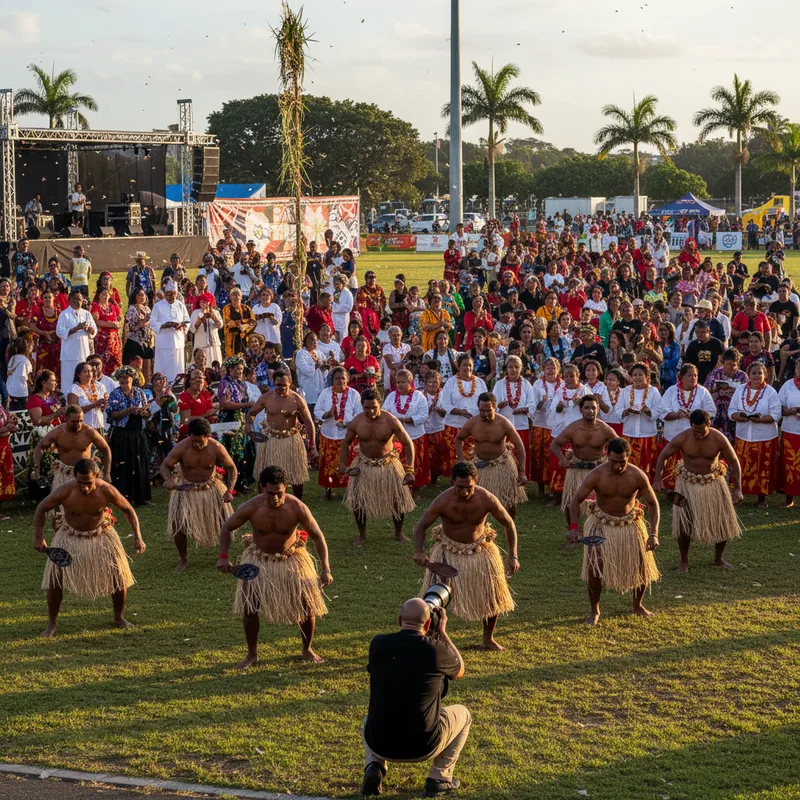
Beyond the sporting grounds, the festival is a rich display of Tokelauan heritage. A highlight is the traditional fātele, a vibrant performance of song and dance that functions as a form of storytelling and a powerful expression of identity. Groups from different communities perform their fātele, sharing stories and celebrating their unique connections to the homeland.
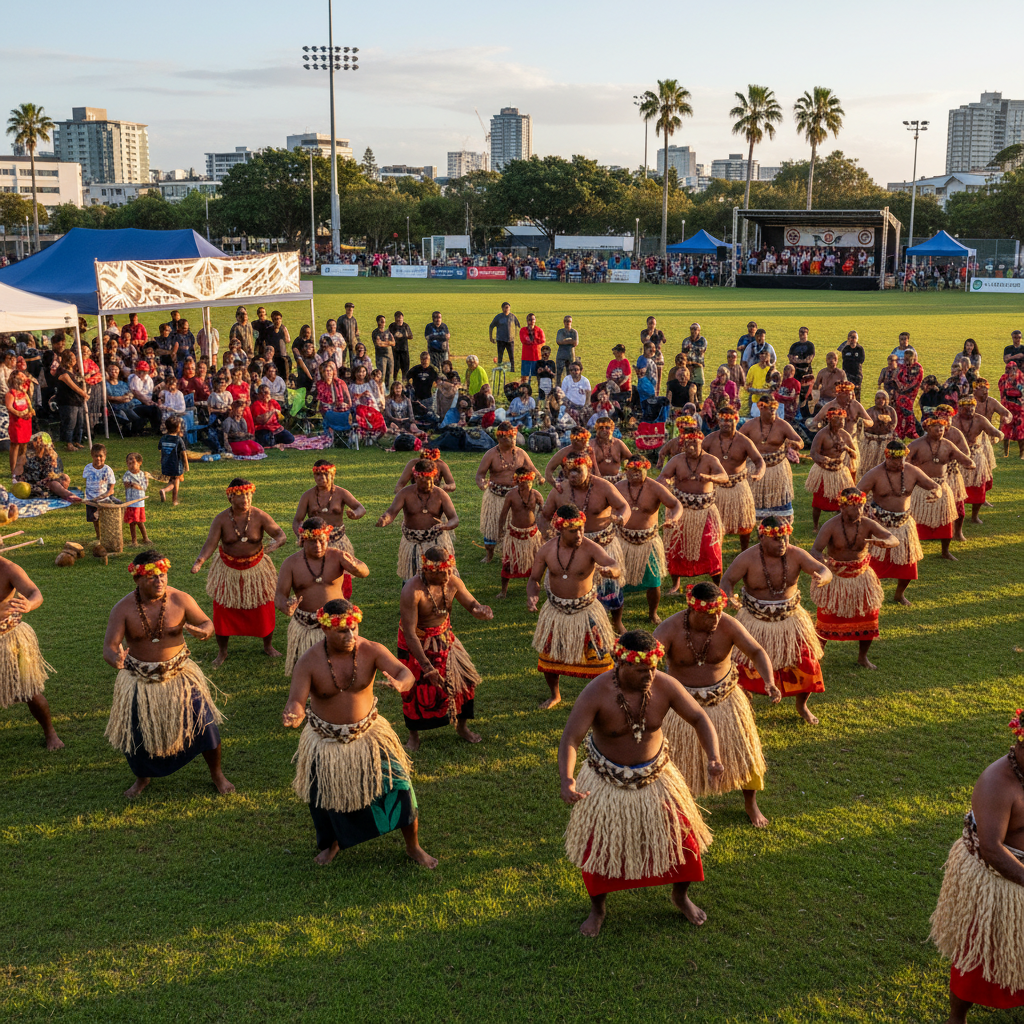
This year’s theme focuses on developing leaders who are deeply rooted in their culture, an effort to consciously plant Tokelauan values in the next generation. This mission carries a particular urgency. Tokelau is one of the world’s smallest and most remote nations, a territory of New Zealand comprising three low-lying atolls with a population of just 1500 people. Access to the islands is limited to a 24-hour ferry journey from Samoa, as there is no airport.
In contrast, the diaspora is much larger, with over 9000 people of Tokelauan descent living in New Zealand. According to the Auckland Tokelau Society, the city is home to the second-largest community in the country, with over 2,400 residents. This dispersal makes gatherings like the Easter Festival essential for cultural continuity, such as the Tokelau Easter Festival uniting the diaspora. The United Nations Educational, Scientific and Cultural Organization (UNESCO) classifies Te Gagana Tokelau (the Tokelauan language) as definitively endangered, adding weight to the festival’s language and cultural preservation goals.
A global family reunion
For many attendees, the festival is a cherished opportunity to reconnect with relatives from across the globe. Families have travelled from as far as Australia and Hawaiʻi, turning the South Auckland park into a hub for a global family reunion. It’s a time when generations come together, and children meet cousins, aunties, and uncles for the first time.
“It’s really good to be able to connect with other Tokelauans and family members that we haven’t seen,” Iosua says. The sentiment underscores the deep-seated importance of kinship within the community.
The modern Tokelauan diaspora has its roots in the 1960s. Following a major cyclone and a labour shortage in New Zealand, many families migrated, establishing communities primarily in Wellington’s Hutt Valley, Porirua, and Auckland. These communities have since grown and evolved, blending island traditions with life in urban Aotearoa while retaining strong connections to their heritage.
'We may be far apart, but we’re all family'
The history of Tokelau is one of profound resilience. In the 19th century, Peruvian slave traders abducted a significant portion of the male population, a practice known as "blackbirding" that left a lasting trauma on the community. Despite such hardships and the challenges of geographic isolation, the culture has endured.
The Auckland Tokelau Society plays a key role locally, supporting the community’s wellbeing and promoting cultural programmes. The society is currently working on its Lumanaki Project, which aims to establish a dedicated Tokelau Community Centre in Auckland as a permanent hub for language, culture, and social services. A community hub would provide a much-needed anchor for residents in areas like Papatoetoe and Ōtara.
As the fātele performances continue and families share meals and stories at Bruce Pulman Park, the festival serves as a powerful reminder of a community’s strength. It is a celebration of survival and a declaration of a vibrant future.
“We may be far apart, but we’re all family,” Iosua says. As the community gathers, the Tokelau Easter Festival demonstrates that no matter the distance, the bonds of culture, family, and identity remain unbreakable. Celebrations from the festival can be viewed on the Tokelau Easter Festival 2026 YouTube channel.