Overview & Character
Ōtara is a vibrant, multicultural suburb in the heart of South Auckland, defined by its strong community spirit and rich Pasifika culture.
As part of the wider Ōtara-Papatoetoe Local Board area, Ōtara has a youthful energy, reflected in its significantly younger-than-average population.
The suburb is a tapestry of cultures, with strong roots in Samoa, Tonga, the Cook Islands, and Māori heritage, creating a lively and diverse atmosphere that is most evident in its bustling markets, community events, and thriving local arts scene.
Life in Ōtara is deeply centered around family and community. It's a place where neighbours know each other and where cultural traditions are actively celebrated.
While it's one of Auckland's more affordable suburbs, it offers a wealth of amenities, including extensive parks, schools, and tertiary education facilities.
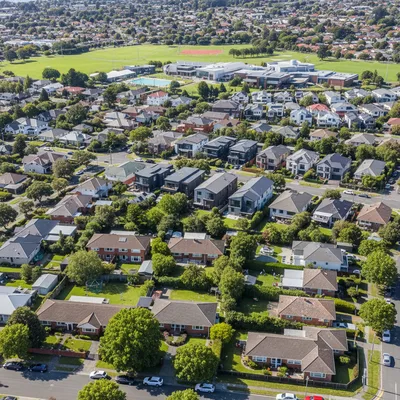
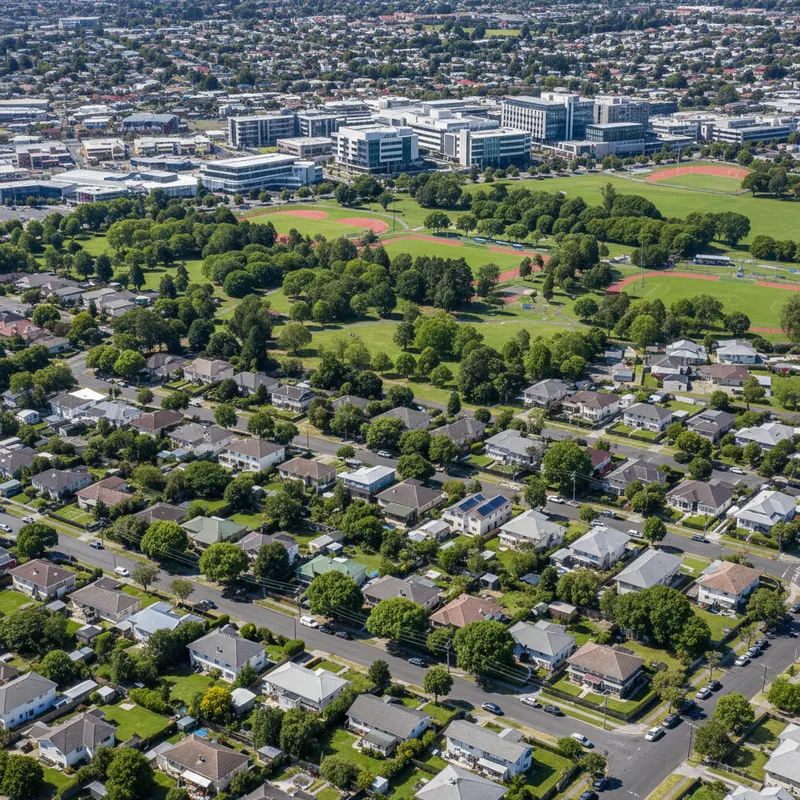
The housing is predominantly composed of classic 1960s weatherboard homes on generous sections, reflecting its history as a key area of post-war development in Auckland.
For residents, Ōtara is more than just a suburb; it's a community with a powerful identity and a strong sense of belonging.
Location & Geography
Ōtara is located in South Auckland, approximately 18 kilometres southeast of Auckland's CBD. It sits within the jurisdiction of the Auckland Council and is a key part of the Ōtara-Papatoetoe Local Board.
The suburb's boundaries are roughly defined by the Southern Motorway (State Highway 1) to the west, East Tāmaki to the north, Flat Bush to the east, and Papatoetoe to the south.
The topography of Ōtara is predominantly flat, typical of the isthmus on which Auckland is built. The Ōtara Creek and the Tamaki River form part of its natural boundaries, providing valuable green corridors and recreational areas.
This flat terrain makes the suburb highly suitable for walking and cycling. The area is largely residential and industrial, with significant green spaces interspersed throughout.
Demographics & Population
The Ōtara-Papatoetoe Local Board area is one of Auckland's most populous, with a 2018 census population of 93,500, which is forecast to grow to over 108,000 by 2048. The area is characterised by its youthful and diverse population.
According to the 2023 Census, the median age in the local board area is just 31.1 years, substantially younger than the New Zealand median of 38.1 years.
The suburb's multicultural identity is its defining feature. It is a major hub for Pasifika peoples in New Zealand, with large communities from Samoa, Tonga, and the Cook Islands.
The 2023 Census recorded 13,749 residents of Māori ethnicity in the local board area. This diversity is reflected in the languages spoken, the places of worship, and the vibrant local economy, particularly the famous Ōtara Flea Market.
Socio-economically, the area has a median personal income of $36,800 (2023 Census), which is below the national median. Educational attainment figures show that 42.6% of adults hold a post-school qualification. The community is strongly family-oriented, with over 20,000 families recorded in the 2023 Census.
Property Market
Ōtara's property market is known for being one of the more accessible entry points into Auckland's real estate market.
The median sales price for a residential dwelling is approximately $675,000, making it a popular choice for first-home buyers and investors.
The majority of the housing stock consists of 3 and 4-bedroom homes built during the 1960s and 1970s, many of which are situated on generous, family-sized sections.
The rental market is very active in Ōtara. According to the 2023 Census data for the local board area, the median weekly rent is $480.
Homeownership rates are lower than the national average, with 41.7% of households owning their home, compared to 66% for all of New Zealand.
This indicates a high proportion of rental properties, making it an area of interest for property investors seeking solid rental yields.
While capital growth has fluctuated in line with the wider Auckland market, the suburb's relative affordability and proximity to major employment zones in Manukau and East Tāmaki, as well as the Auckland Airport, ensure consistent demand.
Education
Families in Ōtara have access to a wide range of educational facilities, from early childhood centres to tertiary institutions. The suburb is well-served by numerous primary, intermediate, and secondary schools.
- Primary Schools: Notable primary schools include East Tamaki School, Flat Bush School, Bairds Mainfreight Primary School, and Sir Edmund Hillary Collegiate Junior School.
- Secondary Schools: Tangaroa College and Sir Edmund Hillary Collegiate Senior School are the main secondary schools serving the Ōtara community.
A major educational landmark in Ōtara is the main campus of the Manukau Institute of Technology (MIT).
This institution is a significant provider of vocational and technical training in South Auckland, offering courses in everything from trades and engineering to nursing and creative arts.
Its presence in Ōtara provides accessible tertiary education pathways for local residents and contributes significantly to the local economy.
Transport & Getting Around
Ōtara is a well-connected suburb with good access to Auckland's transport network. It is situated near the Southern Motorway (SH1), providing a direct arterial route to the Auckland CBD, which is an approximately 20-30 minute drive outside of peak hours. Proximity to State Highway 20 also provides easy access to West Auckland and the airport.
Public transport options are extensive. Numerous bus routes service Ōtara, connecting it to the wider South Auckland area, including the major transport hubs at Manukau and Papatoetoe.
While Ōtara does not have its own train station, the Papatoetoe and Otahuhu train stations are a short bus ride or drive away, offering frequent services on the Southern and Eastern lines.
One of Ōtara's key advantages is its proximity to Auckland Airport, located approximately 10-12 kilometres away, making it a convenient location for frequent flyers and airport workers.
Walkability within the suburb is moderate, aided by its flat terrain, while dedicated cycle lanes are becoming more common as part of Auckland's wider transport infrastructure investment.
Parks, Recreation & Lifestyle
The lifestyle in Ōtara is community-focused, active, and vibrant. The suburb is notable for its abundance of green spaces, providing residents with ample opportunities for recreation and relaxation.
Major parks include Ngati Otara Park, which hosts numerous sports fields, and the extensive network of reserves along Ōtara Creek, offering pleasant walking and cycling paths.
Sports are a central part of community life, with numerous clubs for rugby, league, and netball based in the area. The Ōtara Pool and Leisure Centre is a key facility, providing a gym, swimming pools, and community programs for all ages. For families, there are numerous playgrounds and local parks dotted throughout the residential streets.
The defining feature of Ōtara's lifestyle is its celebrated multiculturalism. This is most powerfully expressed through the Ōtara Flea Market, local churches, and cultural festivals. The vibe is down-to-earth, friendly, and deeply connected to its Pasifika and Māori roots.
Shopping & Dining
The main commercial heart of the suburb is the Ōtara Town Centre, located at the intersection of Bairds Road and East Tamaki Road. This precinct offers a range of essential services, including supermarkets, banks, medical clinics, and a variety of retail stores. It serves as a convenient daily shopping hub for local residents.
Without a doubt, the most famous retail and dining experience in Ōtara is the Ōtara Flea Market. Held every Saturday morning, it is one of Auckland's largest and most vibrant street markets.
It's a kaleidoscope of sights, sounds, and smells, offering everything from fresh produce and traditional Māori and Pasifika foods to clothing, crafts, and music.
The market is a major regional attraction and a cornerstone of the local economy and community life.
While Ōtara isn't known for high-end restaurants, its dining scene reflects its cultural makeup, with a fantastic array of affordable eateries and takeaway shops offering authentic Samoan, Tongan, Fijian, and Māori cuisine.
History & Heritage
The name Ōtara translates to "the place of Tara" or is a shortened form of Te Puke o Tara, "the volcanic cone of Tara." The area was historically populated by Māori iwi, including Ngāi Tai ki Tāmaki.
The suburb as it is known today was largely developed in the post-World War II era, particularly during the 1960s. It was planned and built by the government to provide affordable state housing for Auckland's rapidly growing population.
This period saw the construction of the thousands of weatherboard and brick bungalows that still characterise the area's streetscapes.
During the 1970s, Ōtara became a major centre for internal migration from rural areas and immigration from the Pacific Islands, which forged its strong and enduring Pasifika identity. This history of state-led development and multicultural settlement is fundamental to understanding the suburb's character and close-knit community fabric today.
Community & Events
Community is the lifeblood of Ōtara. The suburb has a dense network of community groups, sports clubs, and cultural associations that foster a strong sense of belonging.
Churches play a particularly vital role, serving not only as places of worship but also as central hubs for social gatherings, support services, and cultural preservation for the various Pasifika communities.
The standout community event is the weekly Ōtara Flea Market, which has been a local institution for decades. It's more than just a place to shop; it's a social hub where friends and family gather, artists perform, and the community comes together.
Another key venue is the Ōtara Music Arts Centre (OMAC), which has been instrumental in nurturing local musical talent and fostering creativity among young people.
Other annual events and cultural festivals celebrating Matariki, Pasifika languages, and local arts are held throughout the year, often based at the Ōtara Town Centre, local schools, or community halls.
Safety & Services
Like any large urban area in Auckland, Ōtara faces challenges with crime. Residents are advised to consult the official NZ Police crime statistics for up-to-date and detailed information for specific areas.
The Counties Manukau Police District is active in the community, with a local station based in Ōtara itself, providing a visible presence and community engagement programs.
In terms of emergency services, the nearest Fire and Emergency NZ station is located within the suburb. Healthcare services are readily accessible. Ōtara is home to several large medical clinics providing primary care.
Crucially, it is located just a few kilometres from Middlemore Hospital, one of New Zealand's largest and busiest hospitals, ensuring immediate access to comprehensive emergency and specialist medical care.
Development & Future
Ōtara is part of a significant growth area in South Auckland. The population of the Ōtara-Papatoetoe Local Board area is projected to increase substantially by 2048, driving demand for new housing and improved infrastructure.
The Auckland Unitary Plan has zoned many parts of Ōtara for greater density, which is leading to a gradual increase in infill housing, including new townhouses and duplexes, alongside the traditional single-family homes.
Investment in public services and amenities is ongoing. There is a focus on improving transport links, upgrading community facilities like parks and libraries, and supporting local economic development.
The Manukau Institute of Technology remains a key driver of growth, attracting students and investment to the area.
The future of Ōtara will likely see it retain its strong cultural identity while embracing the opportunities that come with population growth and urban renewal.
Living in Ōtara: Pros & Cons
For those considering a move to Ōtara, here’s a balanced look at the suburb's advantages and disadvantages:
- Pros:
- Affordability: One of the most affordable suburbs in Auckland to buy a home, offering great value for money.
- Strong Community: A vibrant, multicultural, and tight-knit community with a powerful sense of identity and belonging.
- Cultural Richness: An immersive cultural experience, especially its Pasifika heritage, markets, and food.
- Great Location: Excellent proximity to Auckland Airport, Middlemore Hospital, and major industrial employment hubs.
- Spacious Properties: Many homes are on full-sized sections, perfect for families with children.
- Good Amenities: Well-served by parks, schools, and the Manukau Institute of Technology.
- Cons:
- Lower Incomes: The median household income is lower than the Auckland average.
- Historical Reputation: The suburb has historically had a reputation for social issues, which may not reflect the current reality but can influence perception. - Lower Homeownership Rate: A high percentage of rentals can sometimes impact the transient nature of the community in some streets.
- Educational Outcomes: On average, educational attainment levels are lower than in other parts of Auckland.
- Limited Dining Scene: Beyond the market and local takeaways, there are limited options for café or restaurant dining.