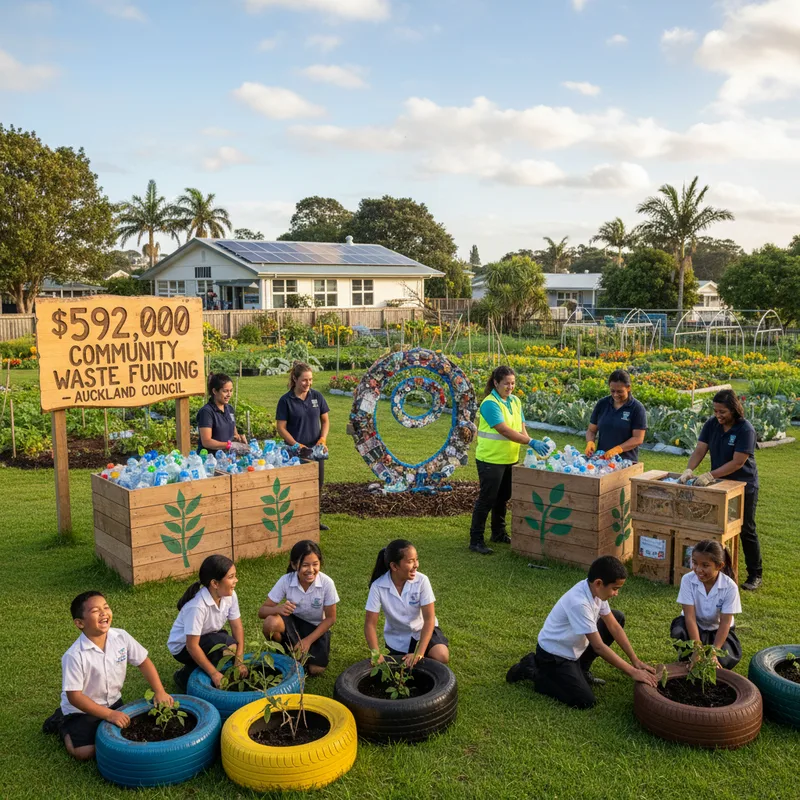
Auckland Council has announced a significant investment into grassroots environmental initiatives, with $592,000 being distributed to more than 40 schools, community groups, and businesses across the region. The funding, delivered through the council's Waste Minimisation and Innovation Fund (WMIF), is aimed at supporting practical, local projects that contribute to Tāmaki Makaurau's ambitious goal of achieving zero waste by 2040.
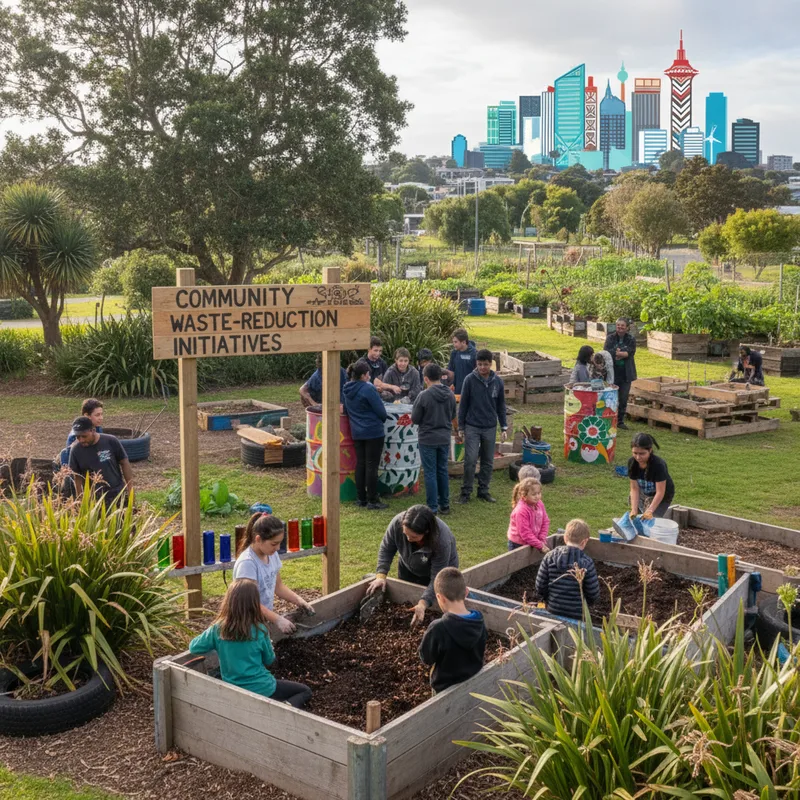
The successful applicants, who were notified in March, represent a broad cross-section of the community. A majority of the grants are smaller sums of $5,000 or less, designed to empower simple yet effective ideas that can reduce waste in everyday settings. These include establishing school composting systems and gardens, improving waste-sorting capabilities in classrooms, and running programmes to help families transition away from single-use products.
This year, the council streamlined the application process, a move that reportedly led to a welcome increase in the number of schools applying for and receiving funding. By empowering educational institutions, the programme aims to embed sustainable practices in the next generation. For parents and students in South Auckland, guidance on local educational facilities is available in guides to schools in Papatoetoe and Ōtara.
Local solutions for a city-wide problem
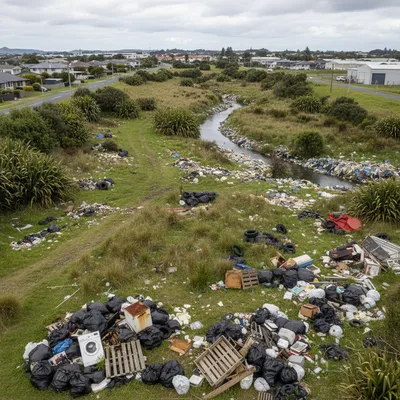
Ten larger grants, valued between $20,000 and $50,000, have been allocated to more substantial projects targeting systemic waste issues. These initiatives will focus on tackling problematic waste streams such as e-waste, textiles, and the significant waste generated by the construction and demolition industry.
Chair of the Community Committee, Councillor Julie Fairey, says the fund is a critical tool for empowering local communities to lead the charge on waste reduction. She highlighted the importance of enabling neighbourhood-level innovation to discover and test new solutions that can be scaled up.
Getting to zero waste requires change to systems, and these grants allow communities to test new ways to deal with waste at the local level. Schools and local community groups are often well placed to support neighbourhood projects, creating new pathways for waste, allowing council to fund small-scale practical solutions that will help Tāmaki Makaurau Auckland achieve our goal of zero waste by 2040.
This approach aligns with Auckland's shared governance model, where local boards for areas like Ōtara-Papatoetoe are responsible for representing their communities and making decisions on local activities. The WMIF serves as a direct pipeline of funding, resourced by the government's national waste disposal levy, to enable this local leadership in the environmental space.
Tackling construction waste amid local development
The focus on construction waste is particularly relevant for South Auckland, which is experiencing significant urban regeneration. One of the most substantial local projects is the redevelopment of the former Manukau Institute of Technology (MIT) North Campus in Ōtara. The Ministry of Housing and Urban Development (HUD) has acquired the 3.05-hectare site with plans to deliver at least 200 new homes over the next decade.
The project, part of HUD's 'Land for Housing Programme', will transform the vacant brownfield land into a mix of market, affordable, and social housing. However, the process involves the complete demolition of the old campus buildings, site decontamination, and extensive earthworks and construction. Such activities inevitably generate massive quantities of waste, from concrete and steel to plasterboard and timber. Initiatives supported by the WMIF that are designed to find new ways to reduce, reuse, or recycle construction materials will be critical in mitigating the environmental footprint of this and other new housing developments in Papatoetoe and the wider Auckland region. As governments grapple with the housing crisis, it's worth noting that Ontario and Ottawa offer billions to cut housing development fees. These funded projects could pioneer new circular economy models for the building industry, providing a crucial service as the city intensifies.
A long-term strategy with historical roots
While the zero-waste-by-2040 goal is a modern target, the principle of devolving environmental responsibilities to local government has a long history in New Zealand. The landmark Resource Management Act 1991 marked a significant shift, placing major responsibilities for environmental management directly with regional, city, and district councils.
In a review published shortly after the Act's passage, then-Parliamentary Commissioner for the Environment, Helen R. Hughes, emphasised the need for public authorities to rise to this challenge. She noted that councils needed to give 'greater attention to setting environmental objectives, identifying ecological risks, improving public consultation procedures and enforcing compliance with environmental standards'.
Seen through this historical lens, Auckland Council's WMIF is a contemporary expression of that very responsibility. It's a mechanism for setting a clear objective (zero waste), engaging the community directly in achieving it, and using levies to fund innovative solutions. The fund represents an evolution in how local bodies can meet their environmental management duties, moving from a purely regulatory role to one that actively fosters community-led innovation. While local news focuses on these community grants, other significant stories continue to develop across the city, as reported by the Auckland Tribune.
With funding now allocated, the more than 40 projects are set to get underway. Their results will be watched closely as valuable test cases for new waste-reduction pathways that could one day be adopted across not just Tāmaki Makaurau, but all of Aotearoa.