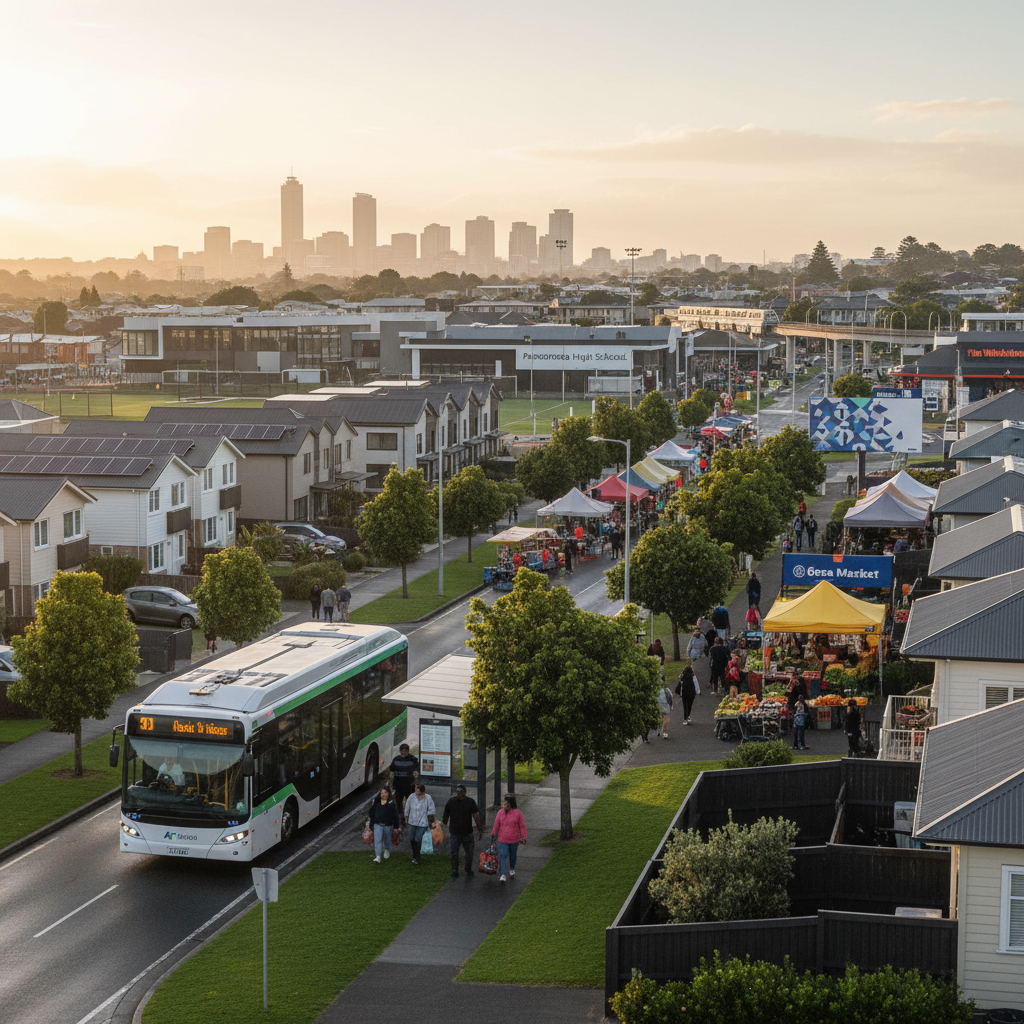
Papatoetoe and Ōtara sit side-by-side in South Auckland, and they can feel worlds apart depending on the street, the housing type, and how you plan to live day to day. If you are weighing up a move in 2026, the most useful approach is to research them as a set of micro-neighbourhoods, not as single, uniform suburbs. Papatoetoe has multiple centres and a broader spread of housing eras, from older villas and post-war weatherboards to intensifying townhouse pockets. Ōtara is more consistently mid-century in form, with wide sections, a strong community spine around the town centre, and many households anchored to nearby employment zones like East Tāmaki and Manukau.
This guide breaks down what locals and buyers typically ask about before moving, lifestyle, safety, amenities, schools, transport, and what you might pay in rent or to buy. It also flags practical on-the-ground checks to do before you commit, because “Papatoetoe vs Ōtara” is rarely a simple yes or no. It is usually about your commute, your tolerance for noise and traffic, the condition of a particular house, and whether you want to be able to walk to shops and parks.
Is Papatoetoe a good suburb to live in for families and commuters?
Papatoetoe’s strongest selling points are its convenience and its lived-in feel. It is close to Middlemore Hospital, the airport, Manukau’s employment and shopping, and has rail access via Papatoetoe Station. In online local discussions, residents often describe it as friendly and diverse, with neighbours who look out for each other, plus easy access to key destinations in South Auckland.
What makes Papatoetoe work for many households is choice. If you want a more established, leafy pocket, you can focus around “Old Papatoetoe” streets closer to the historic centre. If you want a newer, lower-maintenance option, intensification has created townhouse and infill developments along key corridors and near transport. The trade-off is that quality and street atmosphere can vary sharply, so it pays to visit at different times of day and talk to immediate neighbours.
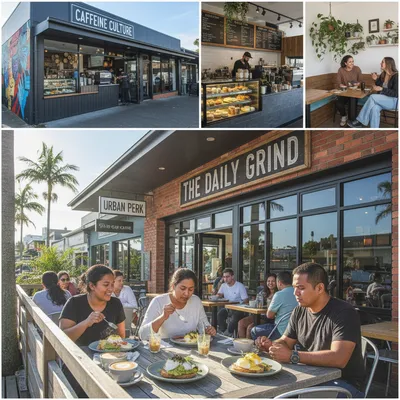
For day-to-day living, the town centre strip around St George Street has become a practical hub for banking, takeaway food, groceries and services, while Hunter’s Plaza (Papatoetoe) provides big-box convenience. If your family likes weekend routines, brunch culture is genuinely strong here, our local round-up of spots is a good starting point: The 10 best cafes in Papatoetoe & Ōtara for brunch and coffe.
Is Ōtara a good place to live in 2026?
Ōtara is often reduced to a headline, but daily life is more nuanced. It is a suburb with a strong Pasifika identity, long-term local networks, and practical access to work zones, Manukau and East Tāmaki. Housing is largely mid-century and family-sized, and that can suit buyers who want land and a standalone home in South Auckland without jumping to newer, smaller builds.
The centre of gravity is the Ōtara town centre and surrounding civic facilities. If you are moving here, spend time in the centre on a weekday and a weekend, note how the bus connections work for you, and check how you feel walking to and from shops. Like many established suburbs, there are quieter residential pockets and busier areas closer to commercial spines.
Community events and local culture are part of the draw. Keep an eye on what is on at nearby venues across the Manukau ward, including arts and dance, one example is our coverage of: Pacific Dance Festival returns to celebrate contemporary Moa.
What is the lifestyle like in Papatoetoe and Ōtara, food, parks and community?
Both suburbs are defined by everyday practicality. You are close to large employment areas, major retail, and the airport, and that shapes the rhythm of weekdays. Weekends can be as local as you want them to be, with parks, sports grounds and community hubs scattered through both areas.
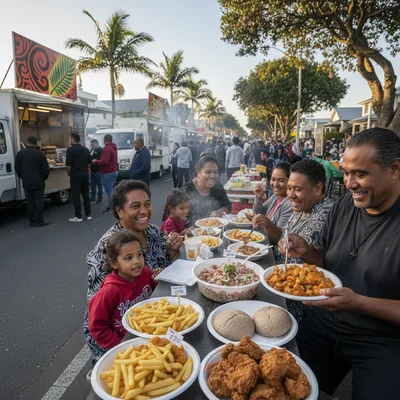
Papatoetoe’s food scene reflects its diversity, particularly South Asian and wider Asian influence, with groceries, sweets shops and restaurants that draw people from beyond the suburb. Ōtara’s community culture is more strongly tied to Pasifika networks, churches, sport and local events. If faith and community routines matter to your household, South Auckland’s religious life is a major feature of local identity, our reporting on how that rhythm shows up day to day is here: Daily prayer times provide rhythm for South Auckland's Musli.
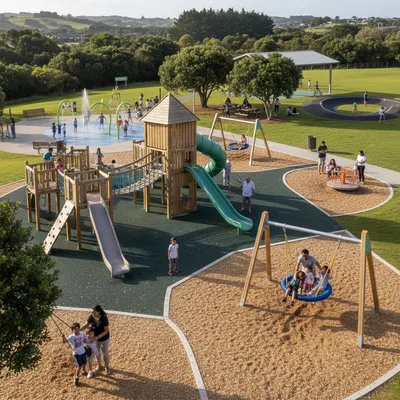
For green space, look for a place within walking distance of a park you will actually use. In practice, the best park is often the one you can reach without a car, especially for families with kids. When you inspect a property, do a 10 minute walk in each direction and check footpaths, lighting and how many people are out and about.
How safe are Papatoetoe and Ōtara, and what should you check?
Safety is the topic most people search first, and it is also the one where suburb-wide generalisations can mislead. Papatoetoe has pockets that feel quiet and residential, and others that are busier, with more traffic, mixed housing and higher turnover of residents. Ōtara can feel tightly knit on one street and unsettled on the next, depending on housing mix, lighting, and how close you are to busy corridors.
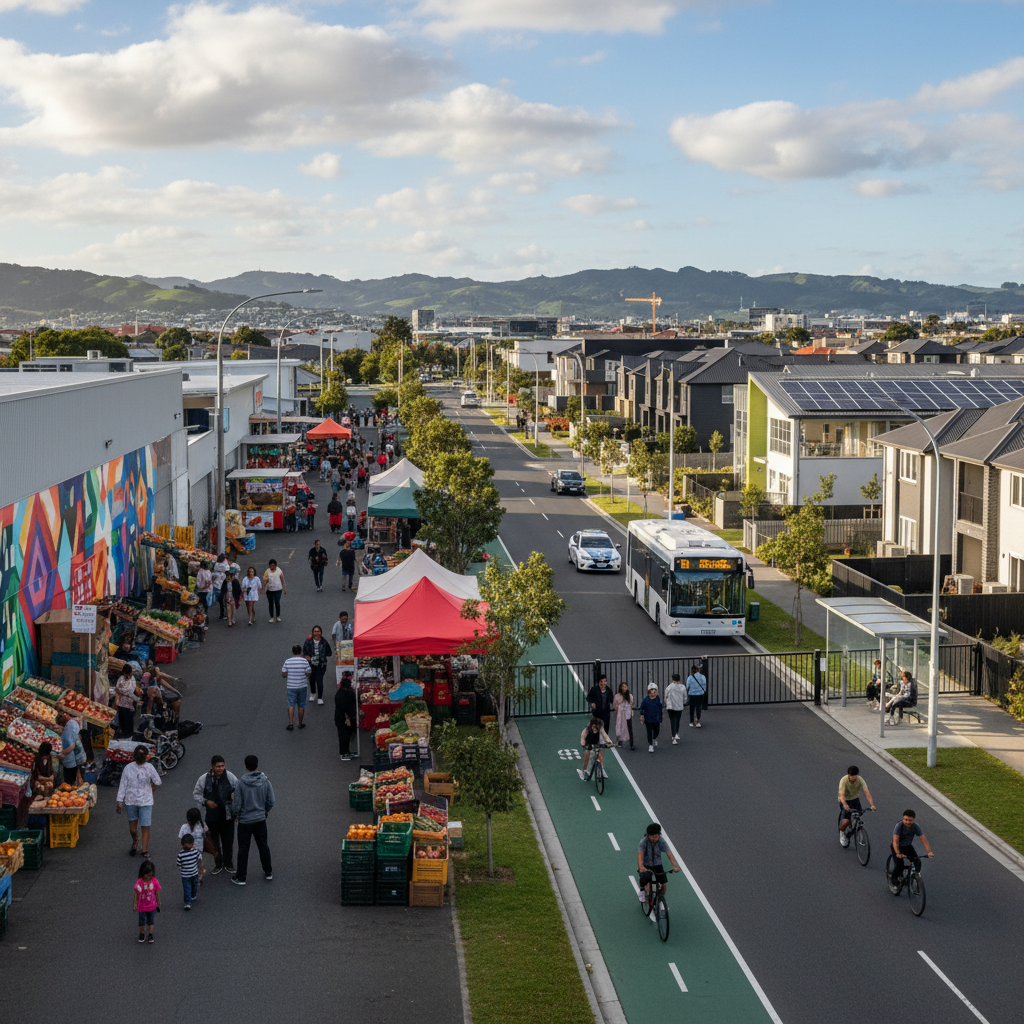
Instead of relying on reputation alone, do a simple pre-move safety checklist. Visit at night, check lighting on the street and driveway. Look for secure fencing and easy sightlines, especially if you have a corner site. Ask your insurer about premiums for the exact address, it is one of the fastest reality checks you can do. If you are considering rentals, ask about window locks, alarm systems and off-street parking.
It also helps to track local incident reporting and council or agency updates. For context on real events in the area, see our coverage of a recent emergency response: Firefighters extinguish Ōtara house fire amid union strike. No single incident defines a suburb, but it is useful to understand response times, disruption and how information flows locally.
For an external, authoritative starting point on crime and safety data, use the New Zealand Police statistics portal and filter by location: New Zealand Police. Pair data with what you see on the ground, because hot spots can be street-level and change over time.
Transport and commuting: trains, buses, motorway access and airport noise
If you work outside the suburb, transport will shape your satisfaction more than almost anything else. Papatoetoe’s rail station gives it an edge for CBD commuting when services are running well, and the Southern Motorway access makes driving feasible off-peak. Ōtara is heavily bus-dependent, but is well placed for driving to East Tāmaki, Manukau, and the airport precinct.
Two commuter realities to test before you move are school drop-offs and motorway ramps. Do one trial run in peak traffic, not just off-peak. If you are near flight paths, spend time outside during early morning and evening and listen. Airport proximity is a plus for frequent flyers and airport workers, but noise can be a deal-breaker on some streets.
For trip planning and service updates, Auckland Transport’s official site is the best authority link to bookmark: Auckland Transport.
Schools, healthcare and everyday amenities in Papatoetoe and Ōtara
Most households move for a mix of affordability and access to essentials, schools, GPs, pharmacies, supermarkets and sport. Papatoetoe’s proximity to Middlemore Hospital is a tangible advantage, and for Ōtara, being near Manukau and East Tāmaki expands the range of services quickly. Indeed, St Benedict's Parish continues its historic legacy in central Auckland, offering community support to the wider area.
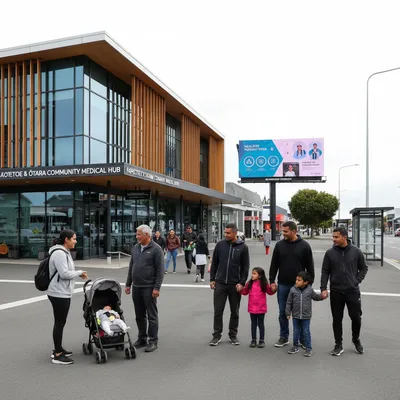
Healthcare is in flux nationally, so it is worth checking what changes might affect access. Our local explainer on a system shift is here: Paramedics to prescribe medication in major healthcare shift. For residents, the practical step is to call clinics before you move and confirm whether they are enrolling new patients, and what after-hours arrangements look like.
Libraries and community programmes are underrated amenities. If you like low-cost community events and workshops, follow what Auckland Libraries are hosting. One example that has drawn interest locally is: Auckland library hosts free Death Cafe series to break taboo.
Property prices and rent in Papatoetoe and Ōtara: what to expect in 2026
In 2026, the right way to think about prices in both suburbs is “range, not average”. Papatoetoe has a wider mix of housing types, which spreads the price band from older cross-lease units through to renovated family homes and new townhouses. Ōtara tends to be more consistent in housing form, which can make comparisons easier, but condition and street position still drive major differences.
If you are buying, watch for the classic South Auckland variables, flood-prone land, older stormwater systems, unconsented work, and the hidden costs of deferred maintenance on 1950s to 1970s homes. For an example of what value-seeking buyers sometimes target in Papatoetoe, see our property story: Papatoetoe brick unit offers alternative to new build compro.
For renters, expect competition for family homes close to schools, transport and shops. International cost-of-living datasets often use national proxies for Papatoetoe, but they still give a rough sense of rent pressure. One 2026 snapshot estimates a one-bedroom at around US$720 per month in a “city centre” context using national averages, treat this as a broad indicator only, not a suburb-specific quote.
To get current, reliable pricing, build a shortlist and track sold prices and recent rentals for at least four weeks. Use multiple sources, agent listings, Homes.co.nz style estimates, and on-the-ground inspections. Then sanity-check your budget against rates, insurance, and likely maintenance.
If you want a comparison exercise before committing to Auckland, it can help to read a guide for another NZ city so you can sense what “value” and “amenities” look like elsewhere. For example: The 20 best free things to do in Christchurch (2026 edition).
Finally, remember that local issues can affect liveability and perception street by street. Illegal dumping, for example, has hit parts of South Auckland hard, and it is worth checking nearby reserves and berms during viewings: South Auckland bears brunt of city’s illegal dumping surge.
Before you move, do these five checks: (1) Visit the property twice, including after dark. (2) Test your commute in peak time. (3) Call schools and GPs about enrolment. (4) Get an insurance quote for the exact address. (5) Review council flood maps and property files where relevant.