The government is calling for public and business feedback to identify regulatory “red tape” that could hinder New Zealand’s access to fuel, a move aimed at safeguarding the country against volatile global energy markets. The proactive strategy comes as petrol prices in Papatoetoe, Ōtara and across the country climb past $3 per litre, driven by international instability.
In response to growing uncertainty, which has been intensified by conflict in the Middle East, the Government has established a National Fuel Plan. This four-stage framework mirrors the alert level system used during the COVID-19 pandemic, creating a clear structure for managing potential disruptions. Currently, New Zealand is at Phase 1, with officials assuring the public that fuel supplies are secure and there is no need for stockpiling.
The Ministry for Regulation is now spearheading an effort to get ahead of any future crisis by clearing potential bureaucratic hurdles. It is urging businesses, freight operators, fuel users, and the general public to report any existing rules or processes that could slow down or obstruct the fuel supply chain during an emergency.
A pre-emptive strike against red tape
Regulation Minister David Seymour is championing the initiative, stressing the importance of learning from past emergencies. He said the government wants to avoid the logistical challenges and unintended consequences that arose from hastily made rules during the pandemic response. The ministry is particularly interested in hearing from those on the front line of the fuel industry.
We can’t control what happens in the Middle East. We can control how we get fuel flowing through New Zealand pumps. If red tape is getting in the way of that goal, we want to hear it.
Mr Seymour urged people to consider all aspects of the supply chain. “That’s why we want to hear from people affected by edicts from Wellington; what regulatory barriers do you see getting in the way of fuel supply?” he asked. Submissions could involve a wide range of issues, from nationwide policies to local council bylaws.
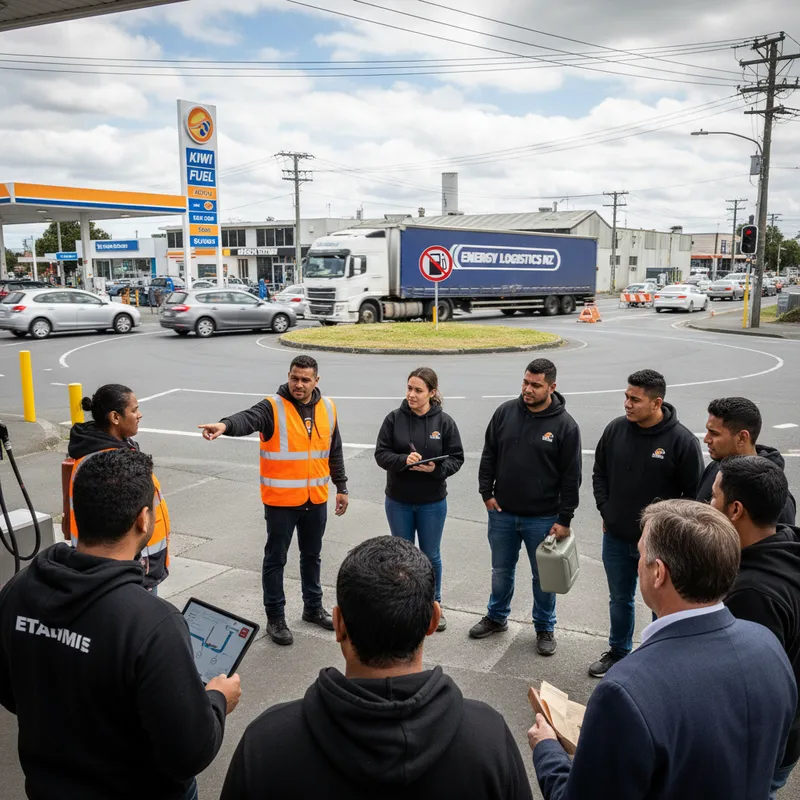
Examples of potential barriers include regulations that affect the transport of fuel by road or sea, consent processes for storing fuel, local delivery time restrictions, and any other rules that might limit the ability of businesses to adapt quickly if a shortage were to occur. The government's goal is to identify and address these issues now, rather than during a high-pressure disruption.
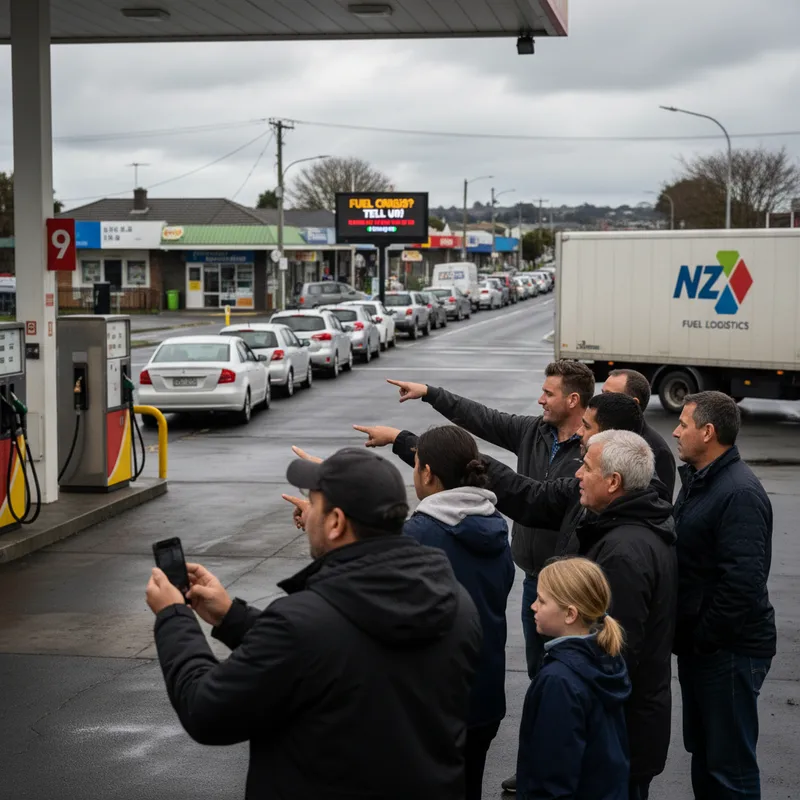
Local impact felt at the pump
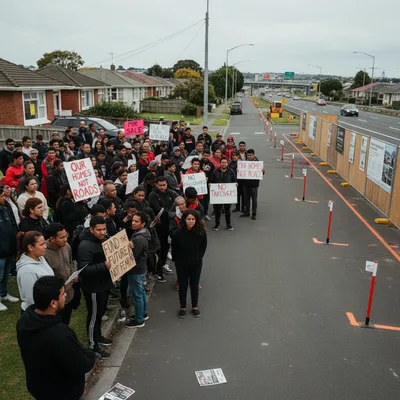
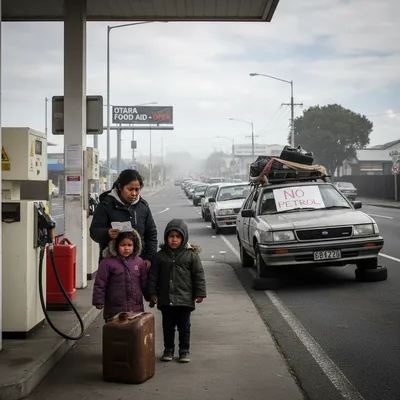
For residents in Papatoetoe and Ōtara, the abstract threat of global supply issues has become a concrete reality at the petrol station. With the price for 91 octane and diesel now consistently exceeding $3 a litre, the financial strain is mounting for households who rely on vehicles for commuting, school runs, and daily errands. The cost of living continues to be a major concern, an issue that will likely influence voters in any upcoming elections, including the recent Papatoetoe by-election.
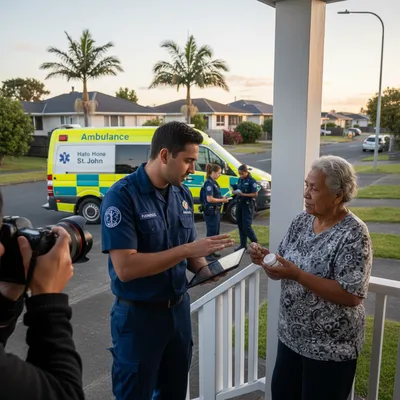
The high prices have also created secondary problems. Simon Bradwell of the Motor Trade Association recently noted an increasing concern among petrol station owners about fuel drive-offs. He said these businesses are doing everything they can to manage prices, as it is in their own interest to keep fuel affordable for customers.
To help alleviate the pressure, the government announced a support package targeting families. Almost 150,000 families with children are set to receive an extra $50 a week. This temporary relief is intended to directly counter the rising cost of essentials like fuel, a topic of extensive debate during recent Auckland Annual Plan discussions.
From global tensions to South Auckland commutes
The government’s fuel plan was directly triggered by escalating conflict in the Middle East, specifically the US-Israel attacks on Iran. Such events create significant volatility in global oil markets, as much of the world's oil supply passes through strategic maritime choke points in the region. A disruption in this area can cause crude oil prices to spike, with the effects passed on to consumers at the pump within weeks.
This long-term planning is about ensuring that local communities and economies can continue to function smoothly. A secure fuel supply is essential for everything from stocking supermarket shelves to ensuring children can get to local schools like those detailed in the guide to schools in Papatoetoe and Ōtara. For a nation so heavily reliant on its transport network, like New Zealand, these preparations are vital for economic stability. The pressure on young people is also a factor, with high living costs making it harder for them to enter the workforce, a challenge seen in other competitive economies like Canada, as reported by Claritive in a story on a Calgary youth hiring fair.
Individuals and businesses can make submissions on regulatory barriers through the Ministry for Regulation’s official Red Tape Tipline, available on its website. The government has not yet set a deadline, emphasising the need for thorough and ongoing feedback.
Mr Seymour stressed the urgency of the task. “In a disruption every unnecessary delay matters. If there are regulations that make it harder to import, store, distribute or use fuel efficiently, they need to be identified now. Not when the pressure is at its peak,” he said.