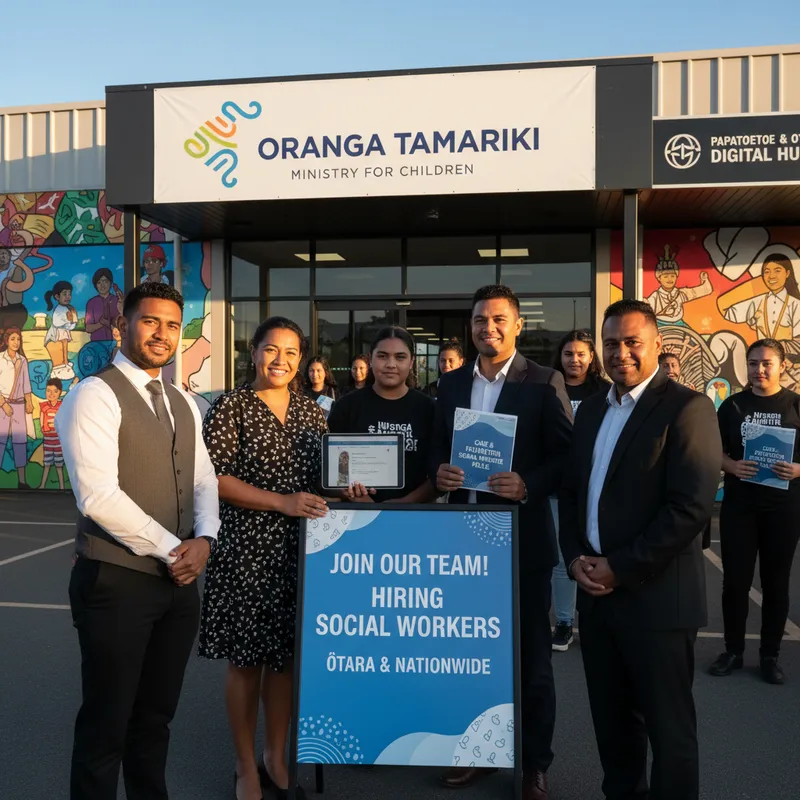
New Zealand's Ministry for Children, Oranga Tamariki, has commenced a significant recruitment campaign to fill numerous vacancies across the country, with a key social worker role now open in Ōtara.
The agency is seeking a Care & Protection Social Worker based in Ōtara, with applications for the vital community role closing on 19 April 2026. The position is one of dozens being advertised nationwide as the ministry seeks to bolster its workforce in critical areas including child protection, youth justice, and caregiver support.
This local hiring effort comes as Oranga Tamariki continues to navigate a complex and high-stakes environment. The agency is responsible for the wellbeing of children at risk of harm, a mandate that places its staff at the forefront of some of society's most challenging issues. The Ōtara-based role highlights the ongoing need for skilled professionals on the ground in South Auckland communities.
A nationwide recruitment push
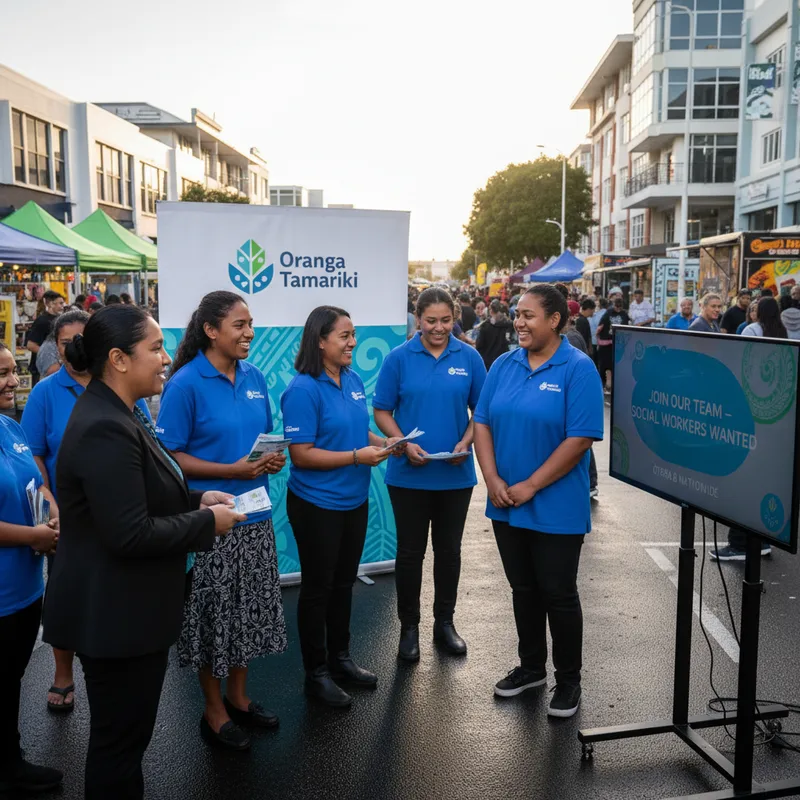
The Ōtara position is part of a broader national strategy to reinforce Oranga Tamariki's operational capacity. Other vacancies recently listed include a Supervisor Social Worker in Panmure, a specialist social worker in Greylynn, and various other roles in Canterbury, Bay of Plenty, Waikato, and Wellington. The Department of Corrections is also searching for social workers for the Auckland Region Women's Corrections Facility.
These roles are varied, ranging from frontline social workers and youth workers to administrative and management positions. Salaries for specialised roles are competitive, with a Change Implementation Manager position at the Ministry of Social Development advertised with a salary of $103,815 - $125,958, and a social worker role at the Department of Corrections offering between $82,000 and $102,000.
Formed in 2017 as a successor to Child, Youth and Family (CYF), Oranga Tamariki operates under a mandate to protect vulnerable children and support families. The agency's work is guided by the United Nations Convention on the Rights of the Child and involves navigating difficult cases of neglect, abuse, and youth offending, as seen in numerous court cases reported across the country.
The high-pressure nature of the work requires a resilient and diverse workforce. An Oranga Tamariki news story from earlier in April highlighted a team in Central Otago comprised of 19 staff from countries as varied as England, the Philippines, Romania, Zimbabwe, and Samoa, underscoring the global search for talent to fill these crucial roles.
Challenges and reforms in child protection
The recruitment drive occurs against a backdrop of ongoing scrutiny and reform within the child protection sector. Oranga Tamariki has been at the centre of a national conversation about its practices, particularly concerning the disproportionately high number of Māori tamariki in state care. This has led to a growing movement, as reported by the Pulitzer Center, for Māori-led approaches to child welfare that aim to restore agency to whānau and iwi.
In response to various challenges, the ministry has been implementing new strategies. On 3 March 2026, it announced it was preparing a second military-style academy programme for youth offenders. More recently, it launched a study with the University of Canterbury to better understand the mental health needs of children in care and established a new multi-agency hub to provide support for children whose parents are incarcerated.
These initiatives reflect an agency in a state of evolution, attempting to address systemic issues while continuing its day-to-day child protection duties. The hiring of local social workers in communities like Ōtara is fundamental to the success of these efforts, ensuring that services are delivered by people with an understanding of the local context. The work often involves collaboration with other local services, supporting families who may be facing multiple pressures, including financial hardship. The need for robust community support systems in South Auckland remains a constant topic of discussion, from inadequate transport assistance to the ongoing efforts of local schools to support their students, such as the revival of bilingual units at Ōtara School. These community ties are crucial, yet international partnerships also play a role, as seen when New Zealand and Cook Islands sign defence pact after China row.
The demanding role of a social worker
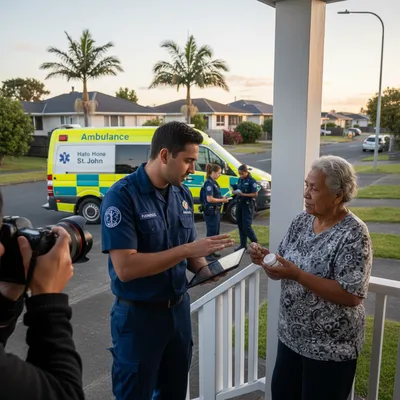
A Care & Protection Social Worker’s role is multifaceted and demanding. It involves investigating reports of harm, assessing family situations, and developing plans to ensure a child’s safety and wellbeing. This can mean connecting families with support services, facilitating counselling, or, in the most serious cases, making the difficult decision to place a child in care.
These professionals are integral to the justice system, often providing evidence and recommendations in court. Recent cases in the news involving child neglect in Waikato and complex youth offender sentencing highlight the critical information social workers provide to the judiciary.
The need for qualified staff is a constant for Oranga Tamariki. The ongoing recruitment reflects the high turnover in the child protection sector, a global issue driven by the emotionally taxing and stressful nature of the work. However, for the right candidates, it also offers a profound opportunity to make a tangible difference in the lives of vulnerable children and families.
As the closing date of 19 April approaches for the Ōtara position, Oranga Tamariki will be hoping to attract dedicated individuals committed to supporting the community and ensuring a safer future for its youngest and most vulnerable members.